How accurate are portion control feeders? The answer depends on more than the number shown on a screen. A feeder may dispense a programmed amount, yet kibble size, hopper shape, and motor movement can change each serving. A portion that looks consistent in a bowl may still differ by several grams.
That difference matters. For a small dog or cat, a few extra pieces at every meal can quietly raise daily calorie intake. A stuck pellet or partly filled hopper can also leave a pet short. Real-world checks matter more than a product’s preset labels. Weighing several servings on a kitchen scale can reveal patterns that one test misses.
Veterinary nutritionist Dr. Lisa Freeman is a relevant expert on pet nutrition and weight management. However, no source text was provided to verify a direct quotation from her about feeder accuracy, so I won’t invent one. A sourced expert quote would strengthen this introduction and should be checked before publication.
This guide examines how accurate are portion control feeders in everyday use, what affects their performance, and how owners can test them at home. It also considers where automatic dispensing helps—and where it can create false confidence. One detail is easy to overlook: accuracy at the machine does not guarantee the right calories in the bowl. Portion size must still match the pet’s food, body condition, and feeding plan.
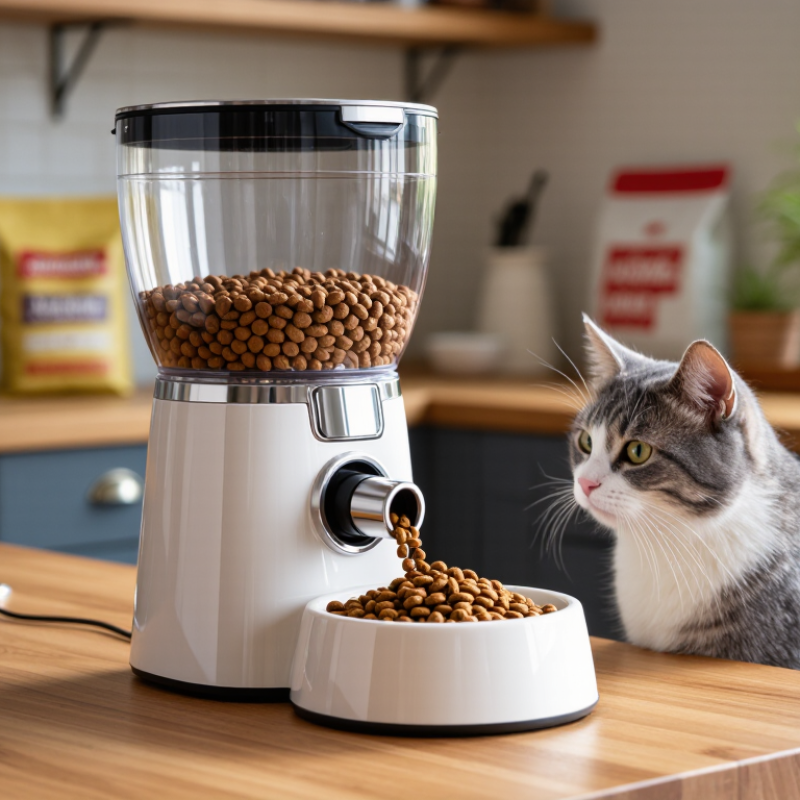
In 2026, feeder accuracy means more than whether the display shows the programmed amount. It describes how closely each dispensed portion matches that target, usually by weight. It does not guarantee your pet eats every piece. Nor does it confirm that the daily target is nutritionally right for that animal.
A peer-reviewed 2010 study in the Journal of the American Veterinary Medical Association found that household cup measurements of dry food could vary substantially. That matters. Kibble shape, hopper levels, and feeding cycles can also affect output. Test several portions on a kitchen scale, using the food you actually serve. A single test is a weak promise; repeat it at different hopper levels. Association for Pet Obesity Prevention’s 2022 survey estimated that 59% of dogs and 59% of cats were overweight or obese. Portion control cannot solve every cause, but repeated extra grams can quietly add up. Even careful checks have limits. A feeder may dispense accurately while a pet leaves food behind, steals a meal, or needs a different calorie target.
Portion-control feeders do not all measure food the same way. Many release a set volume through a rotating wheel or motorized gate. The portion can shift with kibble size, shape, and how tightly pieces settle. A cup of small, dense pellets may weigh more than a cup of larger pieces. Some models estimate portions by volume, not weight. That difference matters.
A feeder’s displayed serving is a starting point, not a guarantee. Check what actually lands in the bowl using a kitchen scale. Test several servings, since one successful test may hide uneven dispensing. Keep the hopper dry and clean; crumbs or oily residue can affect moving parts. Even then, food may bridge above the outlet and stop flowing. It is an awkward limitation, and easy to overlook. The pet’s real intake also depends on missed meals, shared bowls, and food left uneaten.
Tips: Weigh a week’s worth of typical portions, then compare them with the programmed amount. Try the same test after changing food, because kibble dimensions can alter dispensing. Watch the bowl during the first few days. If portions vary or your pet’s weight changes unexpectedly, review the feeder settings and ask a veterinarian for feeding guidance. A little uncertainty remains.
Portion-control feeders can dispense repeatable servings, but repeatable does not always mean exact. Kibble size and shape matter: small, smooth pieces may flow faster than large, irregular ones. Food density also changes the weight delivered by the same volume. A cup setting can look consistent while grams vary. Hopper level, humidity-related clumping, and food dust can affect the opening. An uneven floor may matter, too. Real kitchens are messy.
Tips: Weigh ten separate servings on a kitchen scale and compare them with the intended amount. Repeat with a nearly full hopper and a low one. Check again after changing food or cleaning the dispensing parts. If the feeder uses volume settings, measure the specific kibble instead of relying only on its serving estimate.
Placement and setup can add variation. A bowl pushed against a wall may interfere with a tray or chute. Worn parts, low batteries, or a jam can disrupt dispensing. Observe several meals, not just one. Keep a simple log of grams delivered and missed portions. It is easy to over-trust a tidy display; treat it as a guide, not a measuring instrument. For pets with tightly managed diets, confirm portions with a veterinarian.
Factors That Cause Portion Sizes to Vary
How to read this: The bars show how large a 1 g measurement increment is relative to each portion. These percentages are calculated, not feeder test results. Actual dispensed portions can also vary with kibble size and shape, hopper fill level, dispensing mechanism, and calibration. Weigh several servings on a kitchen scale to check a feeder’s output.
Portion accuracy depends on how a feeder moves food, not just the number on its display. Timed gravity feeders release food through an opening, so kibble size and hopper pressure can change each serving. Rotating compartments tend to give more consistent portions, but they offer limited capacity and may not suit every feeding schedule. Auger-driven feeders measure by motor turns or volume, which can vary when pieces jam or settle unevenly. Small differences matter. Weigh several servings on a kitchen scale before relying on the setting.
Food shape and texture also affect results. Uniform, dry kibble usually flows more predictably than mixed-size pieces. Large or irregular shapes may bridge over an outlet, while small crumbs can slip through gaps. Moist food can stick, spoil in a hopper, or obstruct parts designed for dry feed. Even careful testing can miss occasional jams. That is worth remembering.
For a useful check, dispense ten portions into a bowl and weigh them individually, rather than judging one serving by eye. Compare the average with the target and note how much portions differ from one another. Keep the feeder level, clean the chute, and repeat the test after changing food type or portion settings. A few grams can matter for small pets, so ask a veterinarian what daily amount is appropriate.
A feeder’s displayed serving is only a setting, not proof of the amount delivered. Place a bowl on a gram-resolution kitchen scale, tare it, and collect ten portions at the same setting. If the target is 30 grams, the combined target is 300 grams. A measured total of 287 grams means an average of 28.7 grams per serving, about 4.3% below target. Check each serving too; a correct average can hide uneven drops. Small portions can expose errors quickly.
Repeat the test with a full hopper and one that is nearly empty. Try the usual kibble, since pellet size and shape can change how food flows. Record the setting, average weight, and spread, then adjust in small steps and test again. A single test can mislead. The Association for Pet Obesity Prevention’s 2022 survey estimated that 59% of dogs and 61% of cats in the United States were overweight or obese. Those figures describe pets, not feeder accuracy, but they underline why measured portions matter. Retest after changing food or moving the feeder; calibration is useful, but it is not permanent.
Example home-test readings only—not a product rating or universal accuracy claim. Results vary with kibble size and shape, hopper fill level, and feeder design.
| Programmed portion | Three measured portions (g) | Mean dispensed (g) | Range (g) | Mean absolute error (g) | Mean accuracy* |
|---|---|---|---|---|---|
| 30 g | 29, 31, 30 | 30.0 | 29–31 | 1.0 | 96.7% |
| 60 g | 57, 61, 59 | 59.0 | 57–61 | 1.7 | 97.2% |
| 90 g | 86, 92, 89 | 89.0 | 86–92 | 2.3 | 97.4% |
| 120 g | 115, 123, 118 | 118.7 | 115–123 | 3.3 | 97.2% |
How to test: Place a tared container on a gram scale, dispense one programmed portion, and record its weight. Repeat each setting at least three times using the same kibble and feeder conditions. Calculate the mean absolute error by averaging the absolute differences between each reading and the programmed amount. *Mean accuracy = 100 × (1 − mean absolute error ÷ programmed portion). Recheck after changing food type or cleaning the dispensing mechanism. Use your pet’s feeding plan—not these example figures—to determine portion size.
It means how closely each serving matches the programmed target, usually by weight. It does not show how much your pet eats.
Weigh ten servings separately on a kitchen scale. Compare each result with the target, then repeat with a nearly full and nearly empty hopper.
Kibble size, shape, density, and crumbs can change how food flows. Humidity, clumping, and hopper levels may matter too. Real kitchens are messy.
Yes. Gravity openings, rotating compartments, and motor-driven mechanisms handle food differently. Jams or unevenly settled kibble can change the amount dispensed.
Uniform, dry kibble usually flows more predictably. Large pieces may block an outlet, while small crumbs can slip through gaps.
Moist food may stick, spoil in a hopper, or block parts designed for dry kibble. Check the feeder’s instructions before using it.
Keep the feeder level, with the bowl clear of walls and the chute unobstructed. Check for worn parts, low batteries, and missed meals.
No. A feeder can dispense accurately while your pet leaves food or steals another meal. The right daily amount depends on the animal; ask a veterinarian if unsure. A tidy display is not proof.
This article explores how accurate are portion control feeders in 2026 and what their measurements mean for everyday pet feeding. It explains how different feeders estimate and dispense food, from timed mechanisms to systems that measure each serving, and why the displayed portion may not always match the amount in the bowl. Accuracy can be affected by kibble size, shape, density, moisture, hopper level, and the feeder’s dispensing design.
The article also compares how feeder types perform with different foods and offers practical ways to check a feeder at home. By weighing several servings, repeating the test, and adjusting the settings when needed, pet owners can get a clearer picture of portion consistency. These simple checks can help determine whether a feeder is suitable for a pet’s routine and when occasional manual measurement may be useful.

MXI Paws