In 2026, smart feeders promise measured portions, scheduled meals, and phone alerts—even when you are across town. That promise matters to a large and growing pet-owning public. The American Pet Products Association’s 2025 State of the Industry report estimates that 94 million U.S. households own at least one pet. Its report also puts U.S. pet-industry spending at $152 billion in 2024. These figures show the scale of pet care, but they do not prove that automated feeding improves health or replaces attentive care.
A smart feeder can dispense food at a set time, log portions, and help maintain a routine. Some models add cameras or app controls. Still, a jammed chute, lost Wi-Fi connection, or inaccurate portion setting can turn convenience into a missed meal. Small details matter: kibble size, a pet’s appetite, and whether another animal can reach the bowl. Veterinary nutrition guidance emphasizes that feeding plans should reflect an animal’s needs, not merely a device’s schedule. So, can smart feeders replace manual feeding completely? Not for every household. This guide compares leading feeder features, reliability, and practical limitations, while examining where automation helps—and where checking the bowl yourself still matters. A useful tool, not a substitute for judgment.
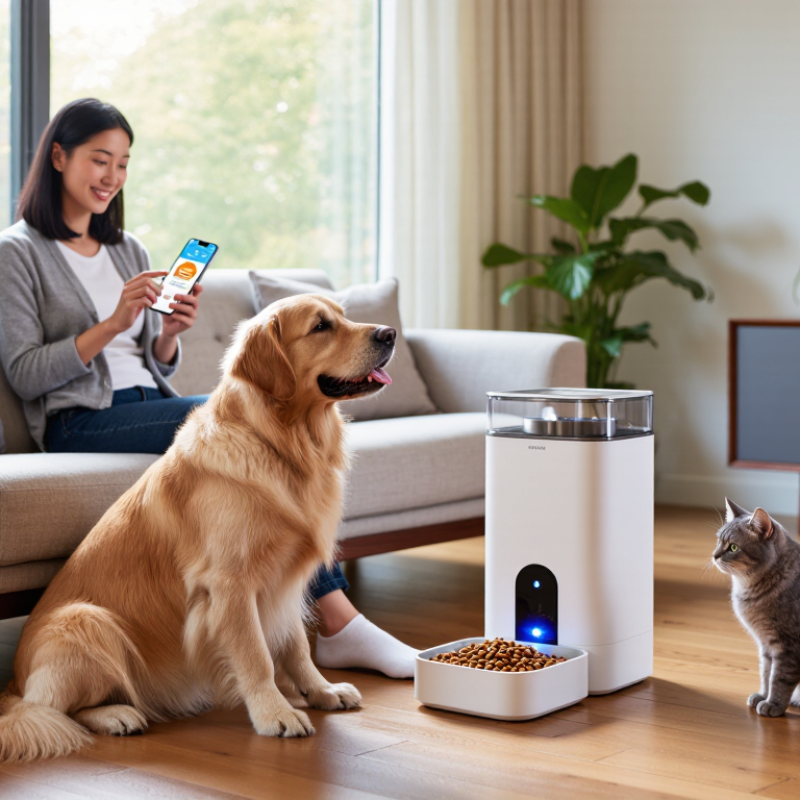
What Smart Feeders Are and How Their Feeding Systems Work
A smart feeder is an automated container that releases measured portions of pet food at set times. Most models use a hopper, a motor-driven wheel or auger, and a bowl beneath the outlet. When a programmed meal is due, the motor moves food through the chute. Portion sizes depend on the device and the food’s shape, so one “serving” may not equal a standard cup. Small detail matters.
Some feeders connect to an app, letting caregivers change schedules or check dispensing records remotely. Certain units also use cameras or sensors, but these features cannot confirm that a pet actually ate. Food can bridge inside the hopper, and kibble may clog a narrow chute. Check the bowl and test the portion with the specific food you use. A kitchen scale can help reveal whether repeated portions are consistent. For safety, keep the feeder on a stable, dry surface and inspect moving parts regularly. Wet-food models need separate attention: chilled compartments or timed trays can slow spoilage, but they still require cleaning and sensible replacement intervals. It is tempting to trust an app notification too much. A dispensing log records what the machine attempted, not always what reached the bowl.
Key Features to Compare in the Best Smart Feeders of 2026
When comparing the best smart feeders of 2026, start with portion accuracy, not the number of app features. A useful test is to dispense several servings onto a kitchen scale and compare the results. Even small differences can matter when a pet follows a measured diet. Check whether the schedule supports different portions across the day, and whether feeding logs are easy to review. Small details matter. A clear, removable food hopper also makes refilling and cleaning less awkward. Look for parts that can be washed safely, and check the instructions before using water near electronic components.
Connectivity deserves a practical check. Some feeders need stable Wi-Fi for remote scheduling, while others can keep a basic routine during an outage. Battery backup may help, but confirm what it powers. Camera and microphone features can be useful for checking whether food was dispensed, though a poor camera angle may show an empty bowl without showing the pet. That is not trivial. Consider hopper capacity, food compatibility, and whether the unit suits one pet or several. A feeder may list generous capacity, yet kibble shape can affect how smoothly it dispenses. No device is perfectly hands-off; test its schedule and portions while you are home before relying on it daily.
Benefits and Limitations of Automated Pet Feeding
Smart feeders can make meal timing more consistent when work shifts or traffic disrupt a household routine. A measured portion can reduce accidental overfeeding, especially when several people share feeding duties. Some models record meal times, giving caregivers a useful reference when appetite changes. That helps. It does not replace watching the animal eat.
Automation has limits. A jammed dispenser, empty hopper, or power failure can interrupt meals, so checking the device remains part of daily care. Dry food can lose freshness if stored too long in a warm, humid room. Wet food needs different handling and is not suitable for every feeder. In homes with multiple pets, one animal may eat another’s portion. Annoying, but common.
Treat the feeder as support, not a substitute for attention. Test its portions with a kitchen scale, then compare the setting with veterinary guidance and the pet’s weight trend. Watch for uneaten food, unusual hunger, or changes in drinking and activity. A camera may show the bowl, but it cannot confirm that the right pet ate the meal. The honest drawback is that setup takes effort, and schedules sometimes need adjustment. Keep a backup feeding plan for outages or travel, and clean food-contact parts as directed.
When Smart Feeders Can Replace or Support Manual Feeding
Smart feeders can replace some routine meals when a pet has a steady schedule and no special feeding needs. For a healthy adult pet, measured portions released at set times can help keep meals consistent during a workday. Set portions carefully, using the pet’s food label and veterinary guidance rather than guessing by eye. A timed release is useful, but it cannot tell whether the food was eaten. That matters. Some pets ignore a meal, while others may push or tip the bowl. Not always predictable.
These devices work best as support, not as a reason to stop checking in. Look at the food level and confirm the feeder dispenses correctly, especially after changing kibble or settings. In a home with multiple pets, one animal may reach another’s portion. Keep manual feeding available for power or connection failures, and clean the food path regularly to prevent crumbs and stale residue from building up. Pets needing medication, closely controlled diets, or frequent appetite checks usually need hands-on oversight; ask a veterinarian before relying on automation. Test the schedule while you are home. A little trial and error is normal.
2026 Best Smart Feeders: Can They Replace Manual Feeding?
Smart feeders can automate routine meal timing and portion dispensing. This illustrative schedule totals 80 g per day; it is not a feeding recommendation. Set portions according to your pet’s needs and veterinary advice.
A feeder can handle scheduled dispensing, but people still need to choose appropriate food and portions, refill and clean the device, and monitor their pet’s appetite and health. It can support manual care, but does not replace that oversight.
How to Choose a Feeder for Your Pet’s Needs and Routine
Choosing a feeder starts with your pet’s actual routine, not the app features on the box. Note meal times, portion sizes, and how quickly your pet eats. A small cat may need smaller, more frequent servings, while a large dog may need a sturdier bowl and larger capacity. Check that the tray is easy to remove and wash; food dust and oily residue collect in corners.
Match the feeder to the food and your home. Many timed models are designed for dry kibble, while wet food needs different storage and cleaning considerations. Measure the kibble before buying, because oversized pieces can jam some dispensing mechanisms. If you have more than one pet, consider whether they can reach each other’s portions. A feeder cannot reliably manage food stealing on its own.
Small details matter. Look for a clear portion setting, a secure lid, and a backup plan for power or connection failures. Keep the feeder where your pet already eats, away from splashing water and busy walkways. Watch the first week. Check whether portions land in the bowl, your pet eats comfortably, and the schedule fits real life. Some pets need time to adjust; others simply refuse the new sound. That part is easy to underestimate.
Conclusion
Smart feeders use programmable schedules and portion controls to dispense food automatically, helping keep a pet’s routine consistent when an owner is busy or away. When comparing the best smart feeders of 2026, consider portion accuracy, capacity, ease of cleaning, power backup, app controls, and whether the design suits your pet’s food and feeding habits. These features can make daily feeding more convenient, but automated devices may not handle every situation: food can run low, equipment can malfunction, and some pets need individual attention or supervised meals.
So, can smart feeders replace manual feeding completely? For many pets, they can manage some or even most scheduled meals, but they are not a substitute for checking food levels, monitoring health and appetite, or providing interaction and care. The right choice depends on your pet’s age, diet, behavior, and routine. A smart feeder can support manual feeding or take over predictable meals, while regular human oversight helps ensure your pet remains well cared for.

 MXI Paws