As pet owners, ensuring our furry friends receive fresh and safe food is paramount. Many rely on pet feeders for convenience. However, a common concern arises: how long can pet feeders store dry food safely? This question is crucial for those who prioritize their pets' health and well-being.
Understanding the storage capabilities of pet feeders can prevent potential issues. Dry food does have a shelf life, but various factors can impact its safety. For example, humidity and temperature play significant roles in food degradation. If a feeder is left in a warm, humid environment, food quality may decline faster than expected.
Pet owners should regularly check the condition of stored food. Signs of spoilage include off smells or changes in texture. This awareness is vital for effective pet care. Relying solely on automated systems can lead to complacency. Although these feeders offer ease, they require mindful maintenance to ensure our pets stay healthy and happy.
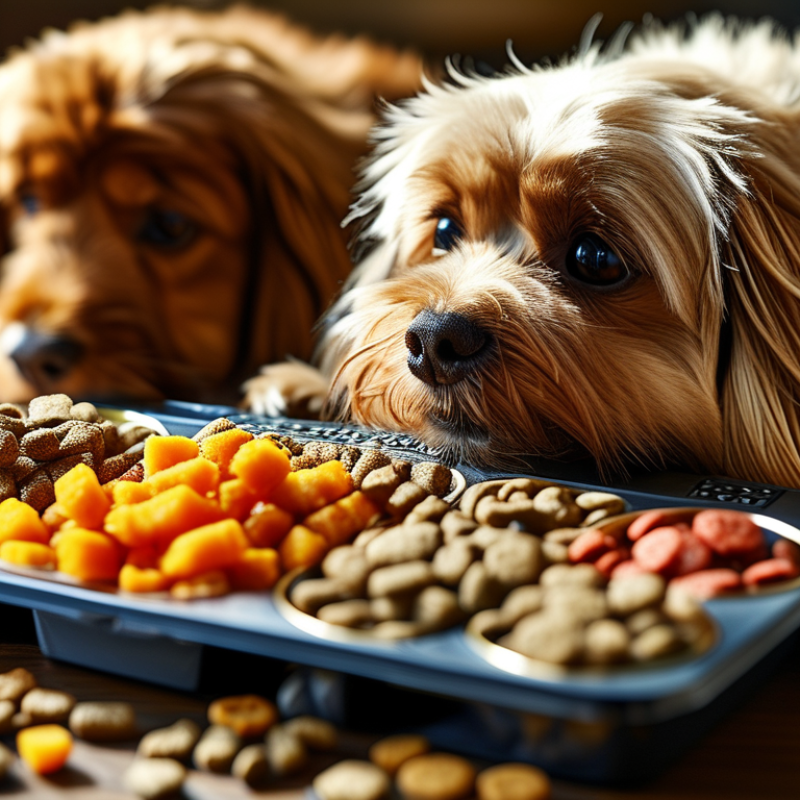
Understanding the shelf life of dry pet food in feeders is crucial for pet owners. Dry pet food typically lasts six to twelve months after opening. However, several factors can influence this timeframe. Exposure to air, humidity, and temperature can degrade the food faster than expected.
Pet feeders may seem convenient, but they can also pose risks. Environmental conditions play a significant role in food safety. If a feeder is in a humid area, the food can spoil sooner. Always check for signs of mold or unusual odors. These are indicators that the food is no longer safe.
Feeding from a dispenser can lead to neglecting proper food storage practices. It's easy to overlook expiration dates when using automatic feeders. Regularly inspect the food and consider transferring it into airtight containers. This simple action can extend its shelf life and ensure your pet's health. Keeping track of the food inventory is important, as neglect can lead to waste and health issues for your furry friends.
| Dimension | Value |
|---|---|
| Dry Food Type | Kibble |
| Average Shelf Life | 12 to 18 months |
| Storage Temperature | Cool, dry place (59°F to 86°F) |
| Feeder Capacity | Up to 10 lbs |
| Recommended Use Time after Opening | 1 to 2 months |
| Signs of Spoilage | Unusual odor, discoloration, pest infestation |
| Recommended Storage Vessel | Airtight containers |
When it comes to storing dry pet food in feeders, several factors influence how long it remains safe for pets. The type of food and its packaging play significant roles. According to the American Kennel Club, dry food typically lasts six to twelve months after opening, while vacuum-sealed options can extend this to even longer. It's crucial to pay attention to the expiration date on the packaging and observe how the food looks and smells.
Environmental factors heavily impact storage time. Humidity can worsen over time, leading to mold or spoilage. Ideally, a dry environment with consistent temperatures should be maintained. A study published in the Journal of Animal Science noted that pet food stored at room temperature in sealed containers had a much longer shelf life than exposed food in open bins. Additionally, light exposure can degrade the nutrients in dry food, reducing its overall quality.
Cleaning the feeder regularly is also important. Old food residue can harbor bacteria, posing a risk to pets. According to veterinary experts, pet owners should inspect their feeders frequently to ensure food freshness. Just as humans should avoid stale food, pets need fresh and safe meals. This ongoing attention is essential for maintaining their health and well-being.
When it comes to storing dry pet food in feeders, optimal conditions play a crucial role in maintaining freshness. Research indicates that dry pet food can remain stable for about six months when stored properly. Keeping food in a cool, dry place and minimizing exposure to light can significantly extend its freshness. It’s essential to use airtight containers to reduce moisture intrusion, which can lead to mold or spoilage.
Humidity can accelerate the deterioration of dry pet food. Studies reveal that maintaining a humidity level below 15% is key for preserving food quality. Elevated temperatures above 80°F can also negatively affect the nutritional value. As such, pet owners might consider investing in thermally insulated feeders that provide temperature control.
Frequent checks on the food for signs of spoilage are crucial. Look for changes in color or smell, as these are indicators that the food might not be safe. While many feeders claim to keep food fresh, the reality is that the quality can diminish over time. It is important to be vigilant and replace the food regularly to ensure your pet's health and well-being.
This chart illustrates the optimal storage duration for dry pet food in feeders under safe conditions. Each category represents the maximum number of days dry food can be effectively stored without risk of spoilage.
When it comes to storing dry pet food, adhering to industry guidelines is crucial for ensuring the safety and health of your furry friends. Ideally, dry pet food can be stored for several months. However, the quality diminishes over time. Factors like temperature, humidity, and packaging greatly affect storage duration. Opened bags of dry food might be safe for one to three months, depending on storage conditions.
To extend the freshness of pet food, keep it in a cool, dry place. Avoid storing it near heat sources or in damp areas. Sealing the food in an airtight container also helps maintain its quality. Make sure to check for signs of spoilage, such as unusual odors or changes in texture. If you see these signs, it's wise to discard the food.
Keeping track of expiration dates can be cumbersome, but it's necessary. Create a system to label when you open a new bag. This simple practice can help prevent unintentional feeding of stale food. Regularly clean the storage bin to avoid contamination. It's an overlooked task that ensures your pet's meals remain safe and appealing.
When storing dry pet food, freshness is crucial. Look out for specific signs that indicate spoilage. One major sign is the presence of an unusual odor. If the food smells rancid or off, it's time to discard it. Color changes can also indicate deterioration. Fresh kibble typically has a consistent color, while faded or discolored food may be spoiled.
Texture matters too. If the food feels sticky or clumpy, moisture might have seeped in, creating a breeding ground for mold. Likewise, check for bug infestations. Small insects or webbing in the food is a clear sign that it’s unsafe to feed to your pet.
Always keep an eye on the expiry date, but don't rely solely on it. Poor storage conditions can lead to spoilage before the date. Store pet food in a cool, dry place in an airtight container. This helps maintain its freshness. Regular checks are essential to prevent accidents. Keeping your pet safe requires vigilance and care, and knowing these signs can help ensure their health.
: Dry pet food typically lasts six to twelve months after opening.
Exposure to air, humidity, and temperature can degrade food quality faster than expected.
Yes, feeders can pose risks, especially in humid areas where food may spoil sooner.
Look for signs of mold or unusual odors as indicators of spoilage.
Transfer food into airtight containers and keep it in a cool, dry place to maintain quality.
Keeping track prevents feeding stale food, which can lead to health issues for pets.
Store them in a cool, dry area and seal them tightly to prevent spoilage.
If you see changes, it's wise to discard the food to ensure your pet's safety.
Regular cleaning is important to avoid contamination, but it’s often overlooked.
Yes, regular inspections help ensure your pet's meals remain safe and appealing.
When considering "how long can pet feeders store dry food safely," it's essential to understand the shelf life of dry pet food within feeders. Generally, dry pet food can remain fresh for several weeks to a few months, depending on various factors such as the type of food, the feeder's design, and environmental conditions.
Optimal conditions for keeping dry pet food fresh include storing it in a cool, dry place away from direct sunlight and moisture. It's important to follow industry guidelines regarding pet food storage to maximize durability and maintain nutritional value. Pet owners should also be vigilant for signs of spoilage, like off-smells or changes in texture, to ensure their pets are consuming safe and wholesome food. Proper storage practices can significantly extend the freshness of dry kibble, aiding in the overall well-being of pets.

MXI Paws