Smart feeders are becoming popular among pet owners. These devices promise convenience and precise feeding schedules. However, a critical question remains: do smart feeders work for wet food? Many pet owners rely on wet food for its nutritional benefits. Yet, the effectiveness of smart feeders with wet food is still under debate.
Some devices struggle to dispense wet food properly. Clogs and spills can occur. This can lead to wasted food and frustration for both pets and their owners. Moreover, wet food requires refrigeration, raising concerns about freshness when using smart feeders. The technology behind these feeders has improved, but they are not flawless.
While they offer benefits, there are limitations. Owner reviews highlight mixed experiences. Some report satisfaction, while others mention problems. The effectiveness of smart feeders for wet food is an ongoing discussion among experts and pet lovers alike. It’s essential to consider these factors before investing in this technology.
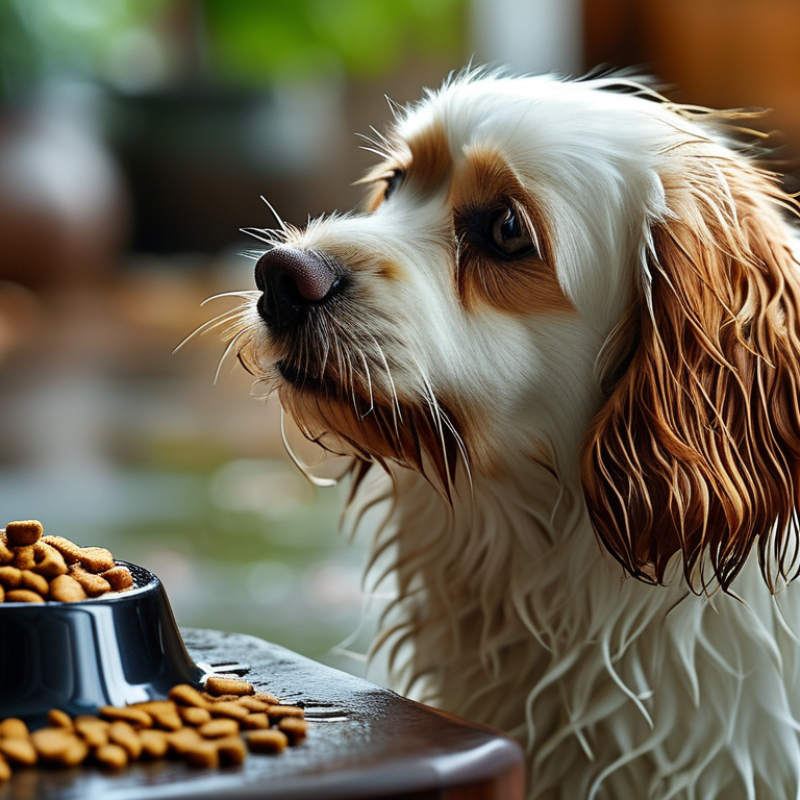
Smart feeders have become increasingly popular among pet owners. These devices are designed to automate feeding schedules and portion control. However, their effectiveness with wet food raises questions. Unlike dry kibble, wet food has different consistency and moisture levels that can impact how well these feeders function.
Many smart feeders use gravity or timed dispensing mechanisms. When it comes to wet food, some feeders struggle to dispense without clogs or mess. The texture and water content may make it challenging. Pet owners often find that the feeder doesn't release the desired amount easily. This can lead to frustration, as your pet's meal might not be as fresh as it should be.
Regular maintenance is essential. If the feeder isn't cleaned properly, residue buildup can occur. This affects functionality and hygiene. Users may notice that certain designs are more effective than others. It often requires trial and error to find the right fit for wet food. Each pet's eating habits can vary, influencing the best choice for individual needs. Choosing the right feeder involves balancing convenience with the specific requirements of wet food.
| Feature | Description | Effectiveness for Wet Food | Maintenance Requirements |
|---|---|---|---|
| Auto Scheduling | Allows feeding at scheduled times via mobile app | High - Consistent feeding times help with digestion | Requires regular cleaning to prevent residue buildup |
| Portion Control | Dispenses set amounts of food | Moderate - Helps prevent overfeeding | Occasional checks needed for proper function |
| Smart Sensors | Detects pet presence and feeding activity | High - Ensures pets are fed accurately | Regular software updates required |
| Hygiene Features | Models with removable, dishwasher-safe components | Moderate - Easier to maintain hygiene when cleaning regularly | Requires routine cleaning weekly |
: Smart feeders automate pet feeding, making the process convenient for pet owners.
Wet food can be slippery and dense, causing dispensing issues.
Specialized systems like curved trays or auger mechanisms help manage food flow.
Clean feeders perform better and reduce issues like sticking or clumping food.
A small capacity means frequent refilling, which can spoil wet food quickly.
Different mechanisms handle textures differently; some are more prone to clogs.
Choose easy-to-clean and durable materials to manage the mess from wet food.
A straightforward interface reduces errors and helps ensure pets are fed properly.
No, performance varies by design. Some models may need specific wet food types.
Reviews provide insights into real-life performance and potential issues users face.
Smart feeders are an innovative solution for pet owners looking to manage their pets' feeding schedules more effectively. The question, "do smart feeders work for wet food," is important as these devices specialize in dispensing kibble but may face challenges with moist diets. Smart feeders that are designed for wet food can effectively dispense appropriate portion sizes while maintaining food quality, thus ensuring pets receive their meals on time.
However, there are advantages and limitations to consider. On the positive side, they provide convenience, help regulate portion sizes, and can be programmed to cater to specific dietary needs. Conversely, some challenges include potential mechanical issues and the need for regular cleaning to prevent spoilage. When choosing a smart feeder for wet food, it's essential to evaluate features like ease of use, storage capacity, and whether the design accommodates the particular type of wet food your pet prefers.

 MXI Paws