Keeping an automatic pet feeder clean is essential for your pet's health. Dr. Emily Parker, a veterinary nutritionist, emphasizes, "Clean feeders prevent bacteria growth." Knowing how to clean an automatic pet feeder properly can ensure safe feeding for your furry friend.
Over time, pet feeders can accumulate food residue. This buildup can lead to mold and bacteria, endangering your pet's well-being. Regular cleaning is imperative. It's not just about aesthetics; it's about maintaining a safe environment for your pet.
To clean the feeder properly, start by disassembling it. Use warm, soapy water for the parts. Pay special attention to hidden crevices. Avoid harsh chemicals that could harm your pet. These steps form a routine to protect your loved companion. Remember, neglecting to clean regularly serves as a reminder of our responsibilities as pet owners.
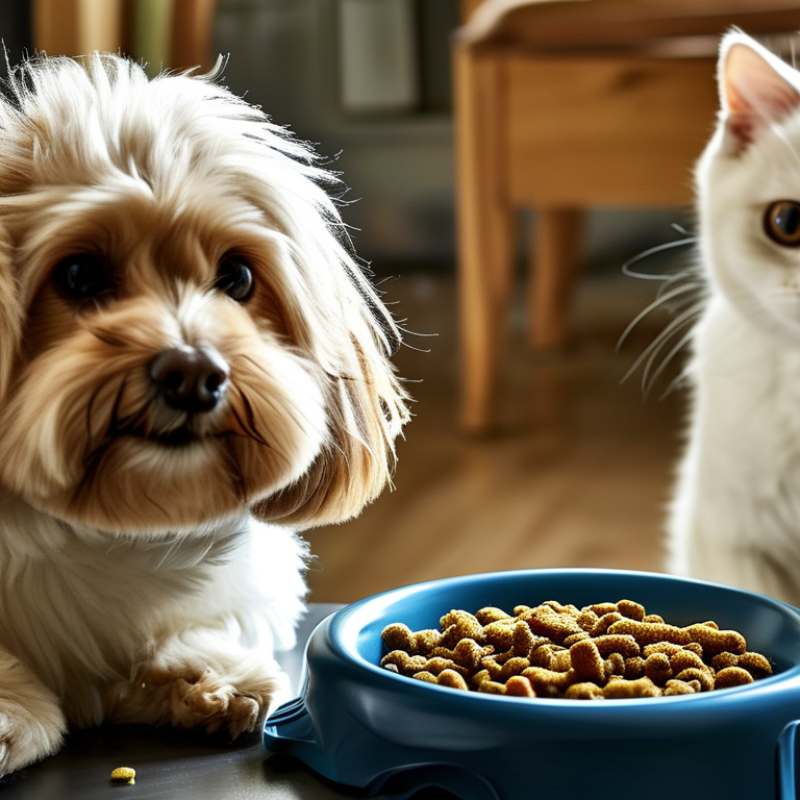
Understanding the components of an automatic pet feeder is essential for proper maintenance. These feeders typically consist of a food reservoir, a dispensing mechanism, and a timer or control panel. The food reservoir holds the pet's food, while the dispensing mechanism releases it according to the set schedule. According to the American Pet Products Association, 68% of U.S. households own a pet. This growing number highlights the importance of keeping feeders clean for the health of our furry friends.
Regular cleaning is crucial, as food residues can lead to bacterial growth. A study from the American Veterinary Medical Association found that 60% of pet owners reported concerns about pet feeding hygiene. When cleaning, disconnect the feeder and dismantle the components carefully. Use warm soapy water for most parts, while ensuring the timer or electrical components remain dry. Pay attention to hard-to-reach areas where food particles may linger.
Many users neglect the importance of thorough cleaning and end up overlooking vital components. It's easy to miss small crevices or the food reservoir's base. Therefore, have a consistent cleaning schedule, ideally once a month. This regular practice not only promotes hygiene but also extends the feeder’s lifespan. A well-maintained feeder can provide consistent feedings and peace of mind for pet owners.
| Component | Recommended Cleaning Method | Frequency of Cleaning | Notes |
|---|---|---|---|
| Feeding Bowl | Wash with warm, soapy water or place in dishwasher | Daily | Ensure it's completely dry before refilling |
| Food Container | Wipe with a damp cloth and mild detergent | Weekly | Check for spills or residue |
| Mechanism/Dispensing Unit | Use a soft brush to remove debris or dust | Monthly | Ensure no food blocks the mechanism |
| Power Supply | Keep dry; wipe with a clean, dry cloth | As needed | Avoid water exposure |
| Sensor/Timer | Gently clean with a microfiber cloth | Monthly | Ensure sensors are not obstructed |
: Gather mild dish soap, vinegar, baking soda, a soft brush, and microfiber cloths.
Regular cleaning prevents bacteria buildup that can harm your pet’s health.
It’s essential to reflect on your habits and clean frequently, ideally after each use.
Use warm, soapy water and scrub thoroughly, focusing on hidden crevices.
Soak the parts in a vinegar solution for 30 minutes to help eliminate smells.
Yes, always disconnect the power to avoid potential damage to the device during cleaning.
No, abrasive cleaners may damage the feeder over time. Stick to safe, mild options instead.
Use lint-free microfiber cloths to prevent scratching the surface while cleaning.
Neglecting cleaning can lead to health risks and might affect the feeder’s functioning.
Reflect on your current habits and look for missed cleaning opportunities to enhance hygiene.
Cleaning an automatic pet feeder is essential for maintaining your pet's health and ensuring the feeder operates effectively. To understand how to clean an automatic pet feeder properly, start by familiarizing yourself with its components, such as the food bowl, hopper, and dispensing mechanism. Next, gather the necessary cleaning supplies, which typically include mild detergent, warm water, and non-abrasive cloths.
The step-by-step cleaning process involves disassembling the feeder, washing each component thoroughly, and ensuring they are completely dry before reassembly. Additionally, implementing tips for maintaining hygiene between cleanings, such as regularly checking for food residue and keeping the feeder in a clean area, can prolong its lifespan. Finally, be prepared to troubleshoot common issues during cleaning, such as stubborn stains or malfunctioning parts, to ensure your feeder remains in optimal condition for your furry friend.

 MXI Paws