With the rise of technology in pet care, many owners seek to understand how do pet feeders know portion size. According to a recent market report by the American Pet Products Association, approximately 67% of U.S. households own a pet. This significant number points to a growing demand for innovative feeding solutions. Smart pet feeders have emerged, promoting health and convenience for both pets and owners.
These feeders utilize intricate mechanisms to measure portion sizes accurately. They often incorporate weight sensors and programmable feeding schedules. In fact, studies have shown that controlled portion sizes can reduce the risk of obesity in pets. The Association for Pet Obesity Prevention reports that over 50% of dogs and cats in the U.S. are overweight. This highlights a pressing need for tools that encourage healthy eating habits.
Despite advancements, not all smart feeders work perfectly. Some models may miscalculate portion sizes, leading to challenges. Owners often share concerns about varying food types and their impact on accuracy. Nevertheless, the potential benefits of these devices in promoting balanced diets cannot be overlooked. Proper understanding of how do pet feeders know portion size can lead to healthier pets and happier owners.
Understanding the Mechanism of Smart Pet Feeders
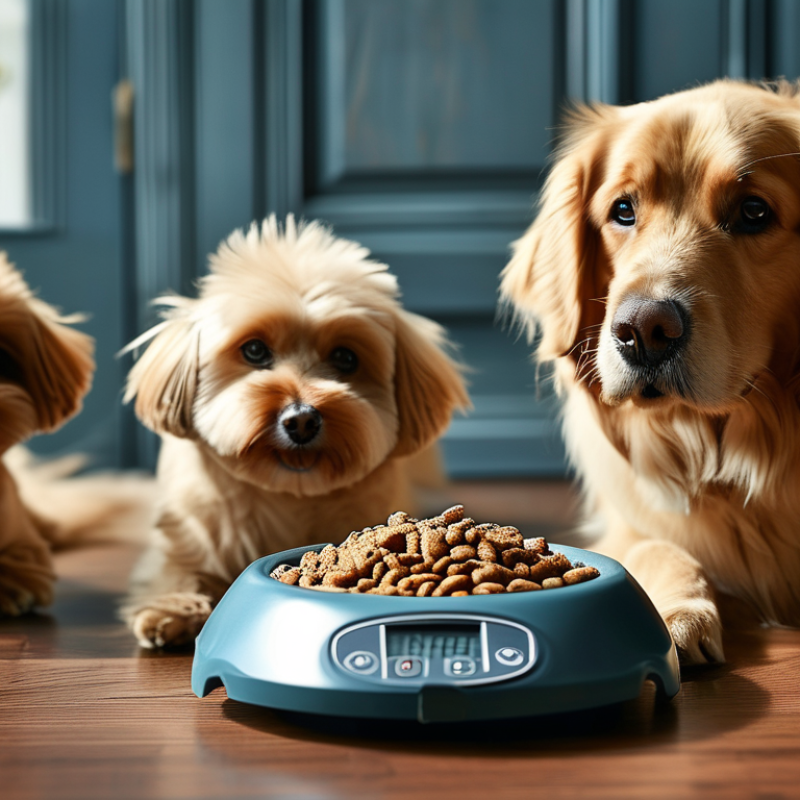
Smart pet feeders employ advanced technology to precisely measure portion sizes for pets. These devices often use sensors to determine how much food is dispensed. Depending on the design, some feeders may rely on weight sensors or volumetric measurements to ensure accuracy. When a meal is requested, the feeder calculates the portion based on the pet's needs, which can be pre-programmed by the owner.
The mechanism behind these feeders is intricate yet user-friendly. Smart feed settings allow for customization of dietary requirements. Owners can set nutritional guidelines based on their pet's weight, age, and activity level. This tailored approach helps in maintaining a healthy diet and preventing overfeeding. Despite their sophistication, issues like inaccurate measurements can occur. Calibration might be needed from time to time to ensure reliability.
User experience plays a vital role here. Ensuring that the feeder is clean and functional is essential for its performance. Some pet owners may encounter connectivity problems, which can hinder the smart features. It's important to regularly check the device and the app it connects to. Consistent observation and adjustments improve the overall effectiveness of these smart devices, contributing to a pet's well-being.
Types of Portion Control Technologies in Smart Feeders
Smart pet feeders utilize various technologies to ensure your pet receives the right portion sizes. One common method is weight sensors, which measure the exact amount of food dispensed. When you set a portion size, the feeder uses these sensors to adjust the feed accordingly. This technology is reliable, ensuring your pet gets the nutrition they need while avoiding overfeeding.
Another popular technology is volume-based measurement. These feeders use specific compartments to hold food. When it’s time to feed, the feeder dispenses a predetermined volume. This method may require more frequent refills, as the food can run out faster than expected. It’s essential to monitor your pet’s intake closely when using volume-based feeders.
Tips: Always check the calibration of your feeder. If it seems off, it may affect portion sizes. Additionally, observe your pet’s eating habits. Adjustments might be needed if you notice weight gain or loss. Finally, remember to clean the feeding mechanism regularly to prevent blockages and ensure accurate dispensing.
How Smart Feeders Calculate Portion Sizes for Different Pets
Smart pet feeders are revolutionizing the way we manage our pets' diets. These feeders use various methods to calculate portion sizes, ensuring your pets receive the right amount of food. They often rely on weight sensors and pre-set portion controls. Owners can input their pets' weight and dietary needs, and the feeder takes care of the rest.
For dogs, portion sizes may differ based on their size, age, and activity level. Smart feeders can adjust food amounts automatically, depending on these factors. For cats, things can be trickier. Cats are known for their varied eating habits. They might nibble throughout the day or eat in one sitting. Smart feeders allow flexibility in delivering food at scheduled times, maintaining a healthy routine.
Tips: Always monitor your pet's weight when using a smart feeder. It’s better to reassess portion sizes regularly. Every pet is unique, and their needs change over time. Consider consulting a vet about an ideal meal plan for your pet. Using a smart feeder should complement your pet care strategy, not replace personal attention and observation.
How Smart Feeders Measure Portion Size for Different Pets
This chart illustrates how smart pet feeders calculate portion sizes based on the weight of different pets. The data reflects average portion sizes recommended for cats and dogs of varying weights.
The Role of User Preferences in Smart Feeder Programming
Smart pet feeders have revolutionized how we manage our pets' diets. These devices allow owners to set specific portion sizes based on their pet's needs. However, selecting the right portion isn't straightforward. Each pet is unique, and their dietary requirements vary greatly. User preferences play a crucial role in this programming.
Many owners want their pets to have meals at specific times. They may prefer larger meals in the morning and smaller portions at night. This preference must be balanced with the pet's nutritional requirements. An intelligent feeder can help by analyzing the pet's weight and activity level. But this system heavily relies on user input. Owners must provide accurate data about their pets.
Not all users may know how to set up these feeders correctly. Some might struggle with managing portion sizes adequately. Without proper programming, overfeeding can lead to obesity, while underfeeding can cause malnutrition. This highlights the importance of education on proper pet nutrition. Ensuring owners understand their pet's needs is essential for the effectiveness of smart feeders.
How Do Smart Pet Feeders Measure Portion Size for Your Pets? - The Role of User Preferences in Smart Feeder Programming
| Pet Type |
Average Weight (lbs) |
Recommended Portion Size (cups) |
User Preference Settings |
Feeding Frequency (times per day) |
| Dog |
30 |
2.5 |
Standard |
3 |
| Cat |
10 |
0.5 |
Weight Management |
2 |
| Large Dog |
70 |
4.0 |
Active Lifestyle |
3 |
| Small Dog |
15 |
1.0 |
Regular Activity |
4 |
Benefits of Accurate Portion Measurement for Pet Health
Accurate portion measurement is vital for pet health. Research indicates that 59% of pets in the U.S. are overweight or obese. This condition often leads to diabetes, joint issues, and heart problems. Smart pet feeders can help manage portion sizes effectively, ensuring pets receive the right amount of food.
Many pet owners struggle with monitoring their pets' food intake. They may inadvertently overfeed or underfeed. A study published by the Veterinary Obesity Society highlights that consistent feeding practices can reduce the risk of obesity by about 20%. Smart feeders offer precise portion control, allowing owners to set specific meal amounts based on veterinary guidelines.
Emotional factors also play a role in pet feeding. Some owners provide extra food as an act of love. However, this can harm their pet's health. Technology in smart feeders can assist in creating a balanced diet plan. These devices measure food accurately, preventing confusion and encouraging healthier habits. The challenge lies in combining technology with responsible pet ownership. Ideal portion sizes may require ongoing adjustments based on activity levels and dietary needs.
Conclusion
Smart pet feeders utilize advanced technologies to accurately measure portion sizes for your pets, addressing the question of how do pet feeders know portion size. These devices employ various mechanisms such as weight sensors, volume measurement systems, and calibrated food dispensers to ensure each serving is appropriate for the specific dietary needs of your pet.
The feeders can be programmed based on the pet's age, weight, and health requirements, allowing for personalized feeding schedules. User preferences, such as meal timing and portion control, play a crucial role in the programming process. Accurate portion measurement not only helps in maintaining a healthy weight for pets but also promotes overall health by preventing overeating and ensuring a balanced diet. Through these smart technologies, pet owners can have peace of mind knowing that their pets receive the right amount of food consistently.

 MXI Paws