7 Tips Why Your Pet Is Not Eating From An Automatic Feeder?

Time:2026-11-27 Author:Ethan
0%

When a pet ignores an automatic feeder, it can look like stubbornness. The cause may be much simpler: a new motor hums, the bowl sits beside a busy doorway, or kibble tastes stale. If you are asking, “why is my pet not eating from automatic feeder,” start by watching what happens at mealtime. Does your cat approach, sniff, then leave when the lid clicks? Does your dog eat normally from a familiar bowl? Small details can point to different problems.

Veterinary nutritionist Dr. Lisa Freeman studies pet nutrition and feeding-related health. A practical summary—not a verbatim quotation—of her evidence-based approach is: “A change in eating deserves attention, not guesswork.” Try serving the same food by hand, checking the feeder’s schedule and portions, and cleaning its bowl. Keep the feeder in a quiet spot, then introduce it gradually. These checks help separate a machine issue from a food preference or routine change. And yes, we can blame the gadget too quickly. If your pet also refuses familiar meals, seems weak, vomits, or shows other unusual signs, contact a veterinarian promptly. The seven tips ahead explore common causes and sensible checks, while making clear when home troubleshooting should stop.
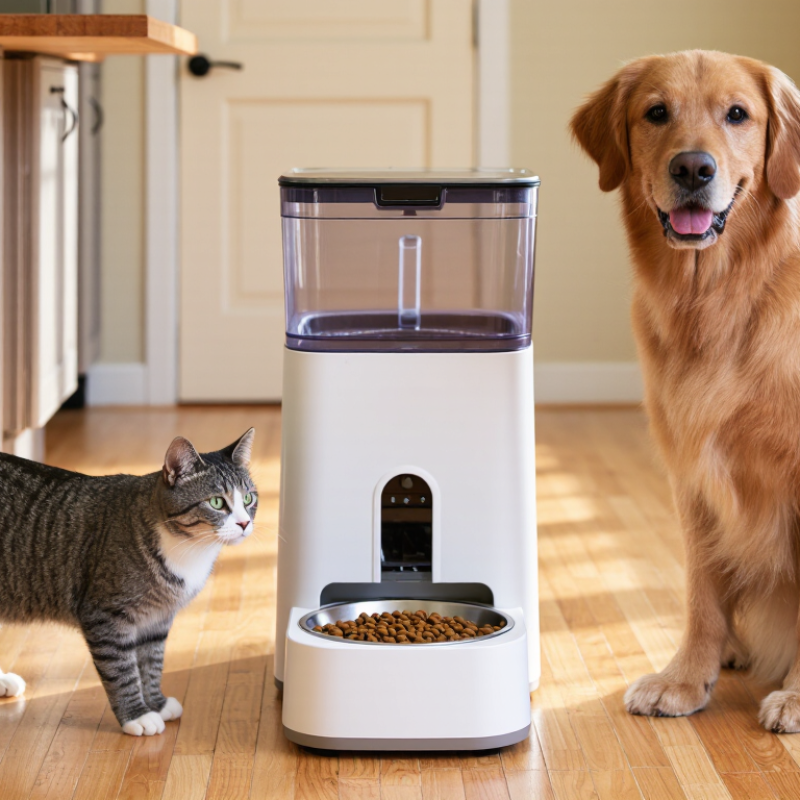
7 Tips Why Your Pet Is Not Eating From An Automatic Feeder?

Identify Changes in Your Pet’s Eating Behavior

A missed meal can look like a feeder problem, but the useful clue is often a change from your pet’s normal routine. Note whether your cat or dog approaches the feeder, sniffs, then walks away, or never comes near it. Check the bowl at the same times each day and compare how much remains. Small clues matter. A pet that eats late, takes smaller bites, or eats only when you stand nearby may be reacting to noise, location, food freshness, or stress. Keep notes. Changes over several days are more informative than one skipped serving.

Look for changes beyond the bowl: less drinking, hiding, unusual tiredness, vomiting, diarrhea, drooling, or difficulty chewing. These details can help a veterinarian assess possible discomfort or illness. Contact a veterinarian promptly if your pet suddenly refuses food, seems unwell, or the change persists. Young, elderly, or medically fragile pets may need advice sooner. Meanwhile, check that the feeder dispensed food and that the bowl is clean, stable, and easy to reach. Observe without coaxing. It is easy to focus on settings and miss a quieter pattern: your pet still approaches, but no longer finishes. That distinction is worth checking rather than guessing.

7 Tips: Why Your Pet May Not Be Eating From an Automatic Feeder

Identify changes in your pet’s eating behavior

This illustrative sample log tracks two meals offered per day and the number eaten. A change in eating may be linked to feeder jams, stale food, an uncomfortable location, schedule changes, stress, or a health issue. Check the feeder and food, note changes in appetite, and contact a veterinarian if reduced eating persists or your pet seems unwell. The sample data are not clinical statistics.

Check the Feeder’s Power, Settings, and Dispensing Mechanism

Tip 1: Check the feeder’s power before changing its schedule. Confirm the plug sits firmly in the outlet, then inspect the battery compartment for loose or corroded contacts. A dim display or missed feeding time can point to a weak power source. If you need to open the unit, unplug it first. Small details matter.

Tip 2: Review the settings and test a manual portion. Make sure the clock, feeding times, and portion size are correct.

Tip 3: Inspect the dispensing path. Kibble dust, crumbs, or pieces that are too large may jam the chute. Empty the hopper, clean it according to the instructions, and check that the bowl is positioned beneath the outlet. I have seen people overlook a bowl nudged a few inches away.

Tip 4: Watch one complete dispensing cycle. Listen for the motor and check whether food reaches the bowl in the expected amount. Keep hands clear of moving parts, and never force a stuck mechanism. Try a small test portion afterward. If the feeder works but your pet still refuses food, offer a familiar meal and note any changes in appetite. Persistent refusal, vomiting, or unusual tiredness warrants prompt veterinary advice.

Confirm the Food Is Fresh and the Portion Is Suitable

When a pet ignores an automatic feeder, check the food before blaming the machine. I would inspect the kibble for stale, oily, or musty smells, and look for damp clumps or crumbs stuck around the chute. Heat and humidity can affect quality. The FDA advises keeping dry pet food in its original bag, sealed and stored in a cool, dry place. Clean the bowl and feeder regularly, too; old crumbs can make a fresh serving less appealing. A small detail matters.

Portion size can also put pets off. A sudden, oversized pile may look unfamiliar, while too little food can leave a pet hungry between scheduled meals. The Association for Pet Obesity Prevention’s 2022 report estimated that about 59% of U.S. dogs and cats were overweight or obese. That figure is a reminder to measure meals rather than guess, but an individual pet’s needs vary with age, activity, health, and food type. Check the package’s feeding guide, then ask your veterinarian to help adjust portions if your pet’s weight is changing. Try a freshly opened portion in a clean bowl, and watch whether your pet eats it. The feeder may not be the problem after all.

Make the Feeder Familiar and Create a Calm Feeding Area

An automatic feeder can seem unfamiliar because it moves, clicks, or drops food without warning. Let your pet investigate it while it is switched off, with the bowl clean and empty. Then place a few favorite treats nearby, without pushing your pet toward the machine. Once curiosity replaces caution, offer part of a normal meal in the feeder’s bowl. Keep the old bowl available during the change. Small steps matter.

Choose a quiet, familiar feeding spot, away from busy hallways, loud appliances, and the litter area. A rattling dryer nearby may matter more than the feeder itself. Keep the feeder in one place and use a predictable schedule, so its sounds become part of the daily routine. Watch your pet’s body language: hesitation, startled reactions, or repeated walking away suggest the setup still feels stressful. It is easy to blame the machine too quickly; sometimes the room is the problem. If your pet skips meals, return to a familiar bowl rather than forcing the transition. Contact a veterinarian if reduced appetite continues or comes with other signs of illness.

7 Tips Why Your Pet Is Not Eating From An Automatic Feeder? - Make the Feeder Familiar and Create a Calm Feeding Area

Tip Possible reason What to try What to observe
1. Introduce the feeder gradually A new object, feeding routine, or dispensing sound can make some pets cautious. Place the feeder nearby while it is switched off. Let your pet investigate it, then offer familiar food from it before relying on scheduled meals. Look for relaxed approaches, sniffing, and eating without hesitation. Let your pet set the pace.
2. Create a calm feeding area Foot traffic, loud appliances, or nearby activity may distract or unsettle a pet during meals. Set the feeder in a quiet, predictable spot away from doorways, noisy equipment, and busy household areas. Keep the location consistent. Notice whether your pet eats more readily when the area is quiet and undisturbed.
3. Keep the food familiar A sudden change in food type, texture, smell, or freshness can reduce interest in a meal. Start with the food your pet already eats. If changing food, follow veterinary guidance and transition gradually rather than changing the food and feeder at the same time. Check whether your pet eats the same food from a familiar bowl. Store food as directed and discard stale or spoiled portions.
4. Check the bowl and portion size A bowl that feels awkward, a portion that differs from the usual meal, or food that is not dispensing properly may discourage eating. Confirm that the bowl is stable and clean, the feeder is level, and the programmed portion matches your pet’s normal measured serving. Measure what is dispensed and compare it with the amount your pet usually eats; feeder settings may not equal an exact weight.
5. Reduce noise and unexpected movement A motor, falling kibble, or sudden movement can startle a noise-sensitive pet. Run a dispensing cycle while you are present and pair the sound with a calm, positive experience. If possible, keep the feeder away from the sleeping area. Watch for flinching, hiding, or leaving when food dispenses. Avoid forcing your pet to approach.
6. Clean and maintain the feeder Old food residue, odors, or a jammed dispensing mechanism can affect the feeding experience. Clean food-contact parts according to the feeder instructions, dry them fully, and check for blockages or low batteries where applicable. Confirm that food reaches the bowl at the scheduled time and that the bowl does not retain strong cleaning-product odors.
7. Track appetite and seek veterinary advice when needed Reduced appetite can be related to stress, discomfort, dental problems, illness, or other causes—not just the feeder. Record meals eaten, water intake, and changes in behavior. Contact a veterinarian promptly if appetite loss is sudden, persistent, or accompanied by other signs of illness. Seek urgent veterinary guidance for symptoms such as repeated vomiting, marked weakness, difficulty breathing, or inability to keep water down. Do not delay care to troubleshoot the feeder.

Seek Veterinary Advice for Persistent Appetite Loss

An automatic feeder can make missed meals easy to overlook. A jammed chute, stale kibble, or a noisy motor may put a pet off eating, but appetite loss can also signal illness. It is tempting to blame the machine. Check the food and feeder, then watch your pet closely.

Tip: Confirm that food drops into the bowl and smells fresh. Try offering the usual food in a clean dish nearby, without pressuring your pet. Note how much is eaten and when; a quick estimate can be imperfect, but it still helps.

Seek veterinary advice if reduced appetite continues, returns repeatedly, or comes with weight loss. Contact a veterinarian sooner for a young, elderly, or chronically ill pet. Vomiting, marked weakness, pain, trouble breathing, or inability to keep water down needs prompt professional attention. A veterinarian can assess hydration, examine your pet, and decide whether tests are needed. Bring notes about meals, water intake, behavior, and any recent food changes. Avoid force-feeding or giving human medicine unless a veterinarian specifically advises it.

FAQS

What changes in eating behavior should I watch for?

Notice late meals, smaller bites, or food left in the bowl. Small clues matter. Also note whether your pet approaches, sniffs, then walks away.

How can I tell whether my pet is eating less?

Check the bowl at the same times each day and compare what remains. Keep notes for several days. One missed meal may not show the whole pattern.

When should I contact a veterinarian?

Seek advice if refusal is sudden, persists, or comes with vomiting, diarrhea, drooling, hiding, or unusual tiredness. Young, elderly, or medically fragile pets may need advice sooner.

What should I check if the feeder misses a meal?

Check the plug, batteries, clock, feeding times, and portion setting. A brief power outage may reset the clock. Test one manual portion.

How can I check for a dispensing jam?

Look for kibble dust, crumbs, or oversized pieces in the chute. Empty and clean the feeder as directed. Watch one full cycle. Keep hands clear.

Could stale food make my pet avoid the feeder?

Yes. Check for musty smells, damp clumps, or oily kibble. Store dry food sealed in a cool, dry place, and clean the bowl regularly.

How do I know whether the portion is suitable?

Measure meals instead of guessing. Check the feeding guide, then ask a veterinarian about changes for your pet’s age, activity, health, or weight.

What if my pet approaches the feeder but does not finish?

Check food freshness, bowl position, noise, and whether the portion looks unfamiliar. Offer a fresh serving in a clean bowl. I might blame the feeder too quickly.

Conclusion

If you’re wondering, “why is my pet not eating from automatic feeder,” start by observing when the change began and whether your pet is eating less from other sources too. Check that the feeder has power, its settings are correct, and food is dispensing smoothly. A blocked opening, unexpected noise, or unfamiliar schedule may make mealtimes confusing or uncomfortable.

Next, make sure the food is fresh and the portion suits your pet’s needs. Introduce the feeder gradually, and place it in a quiet area where your pet can eat without disturbance. Patience and a calm routine can help build familiarity. If appetite loss continues, worsens, or comes with other concerning changes, contact a veterinarian for advice rather than assuming the feeder is the only cause.

Ethan

Ethan

Ethan is a seasoned marketing professional with a deep expertise in our company's innovative product line. With a passion for sharing knowledge and insights, he takes the lead in regularly updating our corporate blog, where he explores industry trends, product features, and effective marketing......