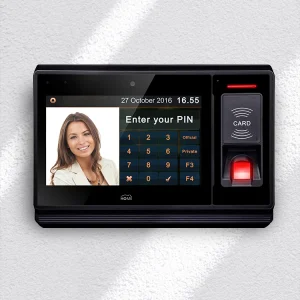
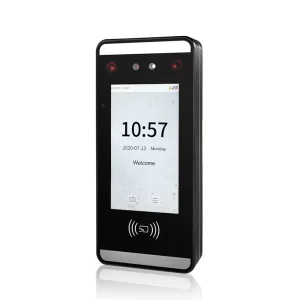
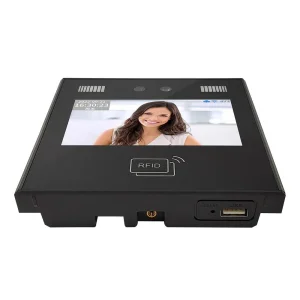
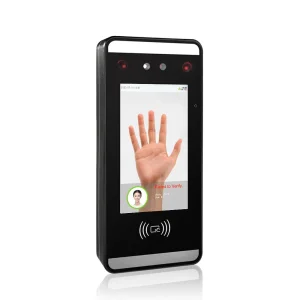
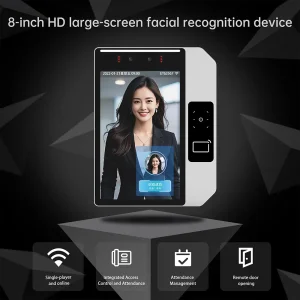
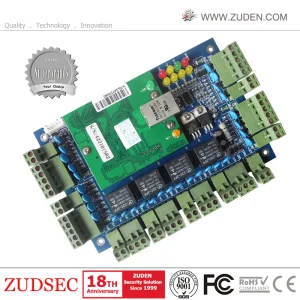
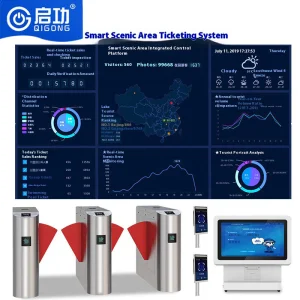
Optimized for commercial access, verification, and customized hardware configurations across Karachi, Lahore, and Islamabad.
The global pet tech sector is undergoing an aggressive paradigms shift, evolving from simple automated timers to state-of-the-art RFID pet recognition feeding systems. Valued at billions of dollars globally and growing at a double-digit CAGR, this industry is propelled by the structural rise of pet humanization and the necessity of managing multi-pet environments. Precision health monitoring, dietary micro-management, and preventive veterinary care are now standard demands for urban pet owners globally.
In highly mature markets, pet owners demand systems that integrate seamlessly with existing smart home ecosystems. The integration of 134.2 kHz Low Frequency (LF) and 13.56 MHz High Frequency (HF) technologies allows feeders to read implanted microchips or dedicated RFID collar tags. This technology prevents "food theft" among domestic animals, regulates portion controls, and generates key behavioral telemetry that can predict metabolic disorders early.
In Pakistan, major metropolitan hubs including Karachi, Lahore, Islamabad, and Faisalabad are experiencing a notable surge in premium pet care adoption. The transition of pets from guard animals to integral family members has fueled the demand for premium pet care technology. As pet ownership among double-income, urban households increases, there is a clear demand for reliable solutions to monitor feeding routines remotely.
Pakistan's commercial landscape is also adapting. Modern veterinary clinics, premium boarding facilities, and specialized retail hubs are seeking industrial-grade RFID feeding hardware to manage animal wards effectively. By preventing cross-contamination of specialized prescription diets, RFID recognition systems offer immense functional value, elevating operational efficiency for pet service providers in the country.
Understanding the underlying electrical engineering and data transmission protocol of RFID pet recognition feeding systems is critical for commercial importers and distributors. These systems rely on a mutual electromagnetic coupling between a passive transponder (microchip or collar tag) and an active transceiver (the antenna integrated surrounding the feeding bowl).
Most pet microchips utilize the ISO 11784 / ISO 11785 standards operating at 134.2 kHz (FDX-B). Our advanced feeding consoles are engineered to maintain absolute compatibility with these international standards, ensuring that implanted veterinary microchips function as access keys without requiring a secondary collar tag.
To prevent access delays and ensure high-speed detection, the antenna loop is tuned to minimize interference. The physical hood design limits the reading field specifically to the animal currently feeding, avoiding false triggers from nearby pets or adjacent metal surfaces.
Our microcontrollers process the RFID payload at the edge. They store pet profiles locally, ensuring that scheduled feeding routines proceed uninterrupted even if local Wi-Fi networks go offline due to power fluctuations—a common challenge in Pakistan.
Implementing RFID-based pet management requires adaptability to local operating conditions. Below are key commercial and consumer scenarios where these systems provide high returns on investment:
Clinical settings require strict dietary regimens to manage conditions like diabetes, kidney failure, or post-surgical recovery. RFID-activated feeders ensure that hospitalized animals only access their designated prescription food, eliminating human error in busy veterinary wards.
Commercial boarding facilities housing multiple cats and dogs require automated portion control and theft prevention. Utilizing RFID collars or microchips, these facilities can offer personalized feeding services to their clients, adding a key USP to their service package.
Residential homes in urban centers often face load-shedding. Our dual-power architecture combines local rechargeable batteries with mains power. If power cuts occur, the local storage preserves pet access configurations, keeping the RFID scanning mechanisms operational.
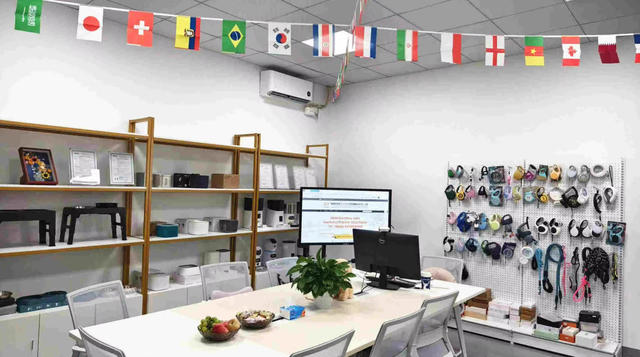
Chengdu MXI Paws Co., Ltd. is a professional Intelligent Pet Feeding System Manufacturer dedicated to developing and manufacturing innovative smart pet care solutions for global brands, distributors, retailers, and e-commerce businesses. With years of experience in intelligent pet technology, we specialize in designing reliable smart automatic pet feeder solutions for cats and dogs that combine convenience, precision, and modern connectivity.
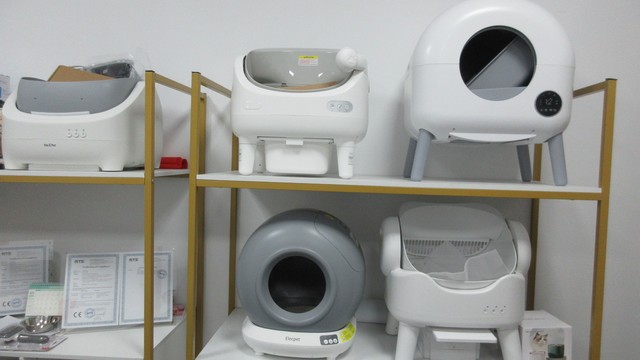
Our product portfolio includes WiFi-enabled automatic pet feeders, app-controlled feeding systems, portion control feeders, camera-equipped pet feeders, voice recording feeders, dual-bowl feeding systems, RFID pet recognition feeders, large-capacity food dispensers, battery backup feeding units, and integrated smart feeding and hydration solutions. Every product is engineered to help pet owners maintain healthy feeding schedules while ensuring pets receive the right amount of food at the right time.
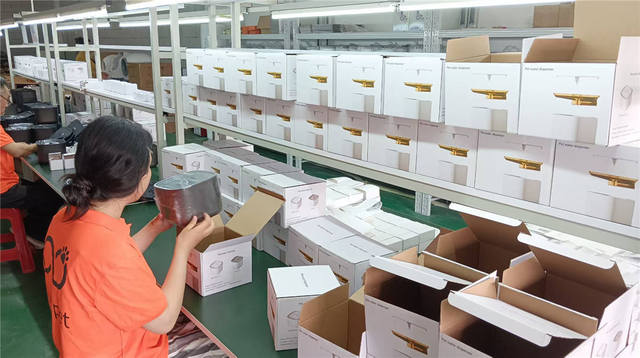
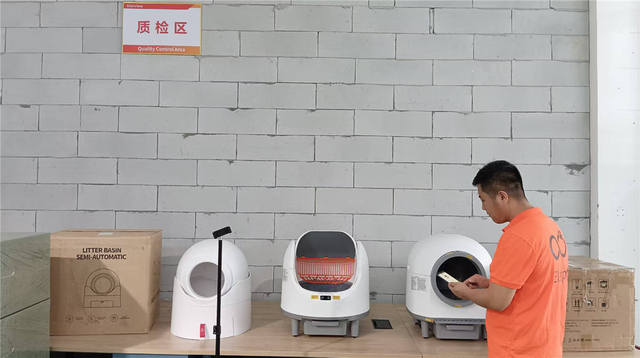
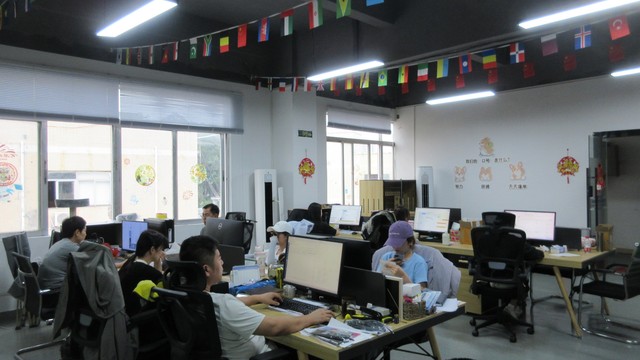
Equipped with advanced manufacturing facilities, automated production lines, and strict quality management systems, Chengdu MXI Paws Co., Ltd. delivers products that meet international quality standards. Our engineering team continuously invests in intelligent hardware development, IoT connectivity, and user-friendly mobile applications to provide smarter and more reliable feeding experiences.
As an experienced OEM and ODM manufacturer, we offer customized product development, industrial design, private label services, logo customization, packaging design, firmware optimization, and flexible production solutions tailored to different market requirements. From concept development to mass production, we work closely with customers to accelerate product launches and strengthen brand competitiveness.
Today, MXI Paws products are exported to Europe, North America, Southeast Asia, Australia, and many other international markets. Guided by innovation, quality, and customer satisfaction, Chengdu MXI Paws Co., Ltd. remains committed to becoming a trusted global partner for intelligent pet feeding systems and comprehensive smart pet care solutions.



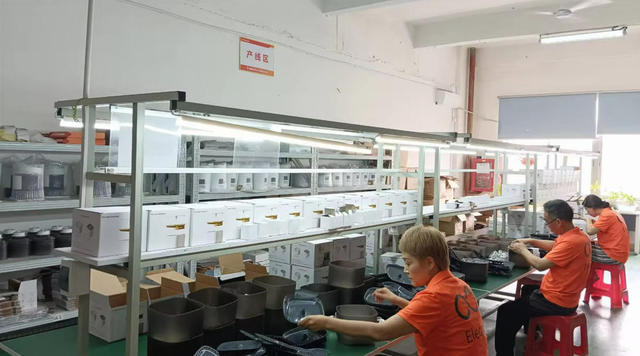
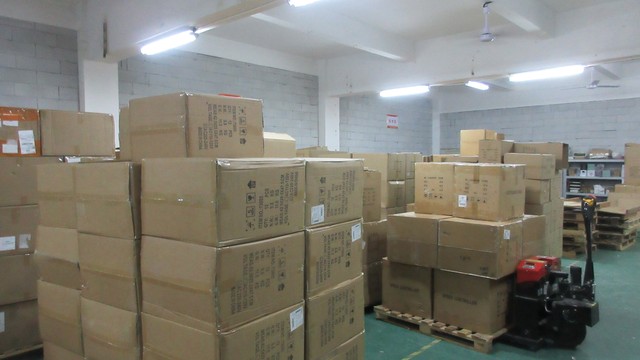
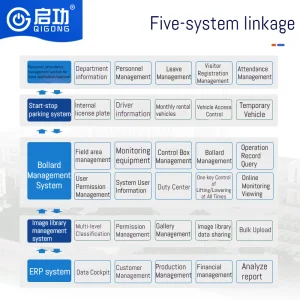
As systems scale, managing individual smart feeders becomes complex. For larger institutions, such as regional pet hospital groups or high-volume distributors in Pakistan, we offer complete system architectures. This includes hardware sensors, local controllers, secure cloud APIs, and intuitive user interfaces.
Our commitment to continuous technological development shapes our forward-looking product roadmap. Over the next five years, we are driving innovation across several key areas:
We are merging RFID data with edge-computed face recognition. By combining spatial facial recognition with RFID microchip verification, we create a secure, dual-factor authentication model for pets, preventing access issues if a collar tag is lost.
To support rural environments with limited Wi-Fi infrastructure, we are integrating NB-IoT (Narrowband IoT) directly into our control boards, providing reliable cellular connectivity with low power draw.
Future firmware iterations will incorporate machine-learning algorithms to detect deviations in consumption behavior, providing early-warning flags for conditions like urinary tract issues or nutritional deficiencies.
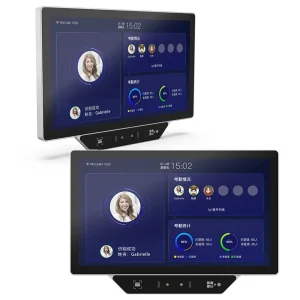
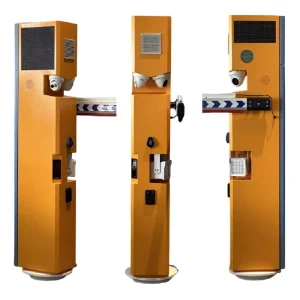
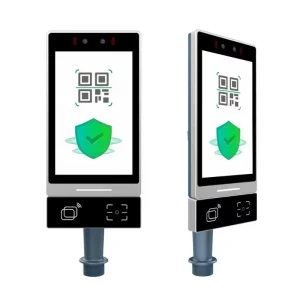
Explore our complete industrial portfolio of smart readers, face recognition platforms, and vehicle control hardware configured for Pakistani commercial infrastructure.
Critical engineering and logistics information for importers, distributors, and commercial operators in the Pakistani market.
 MXI Paws