MXI Paws
1 / 5
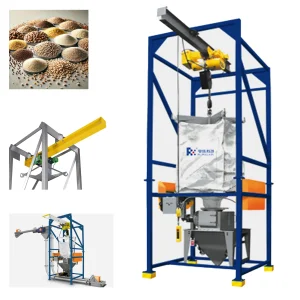
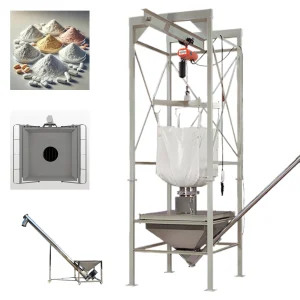
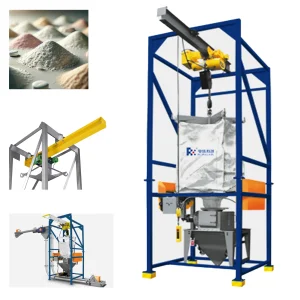
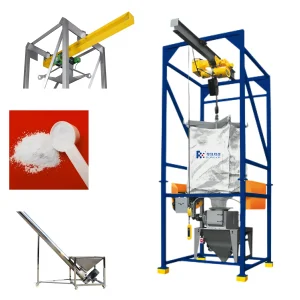
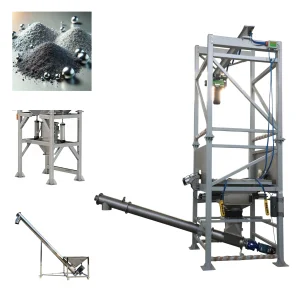
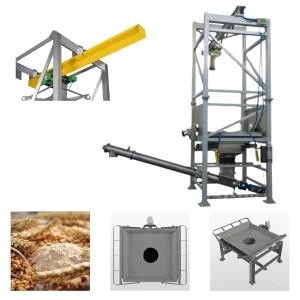
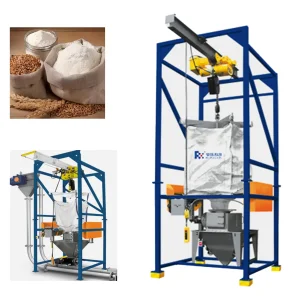
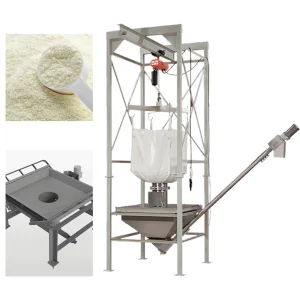
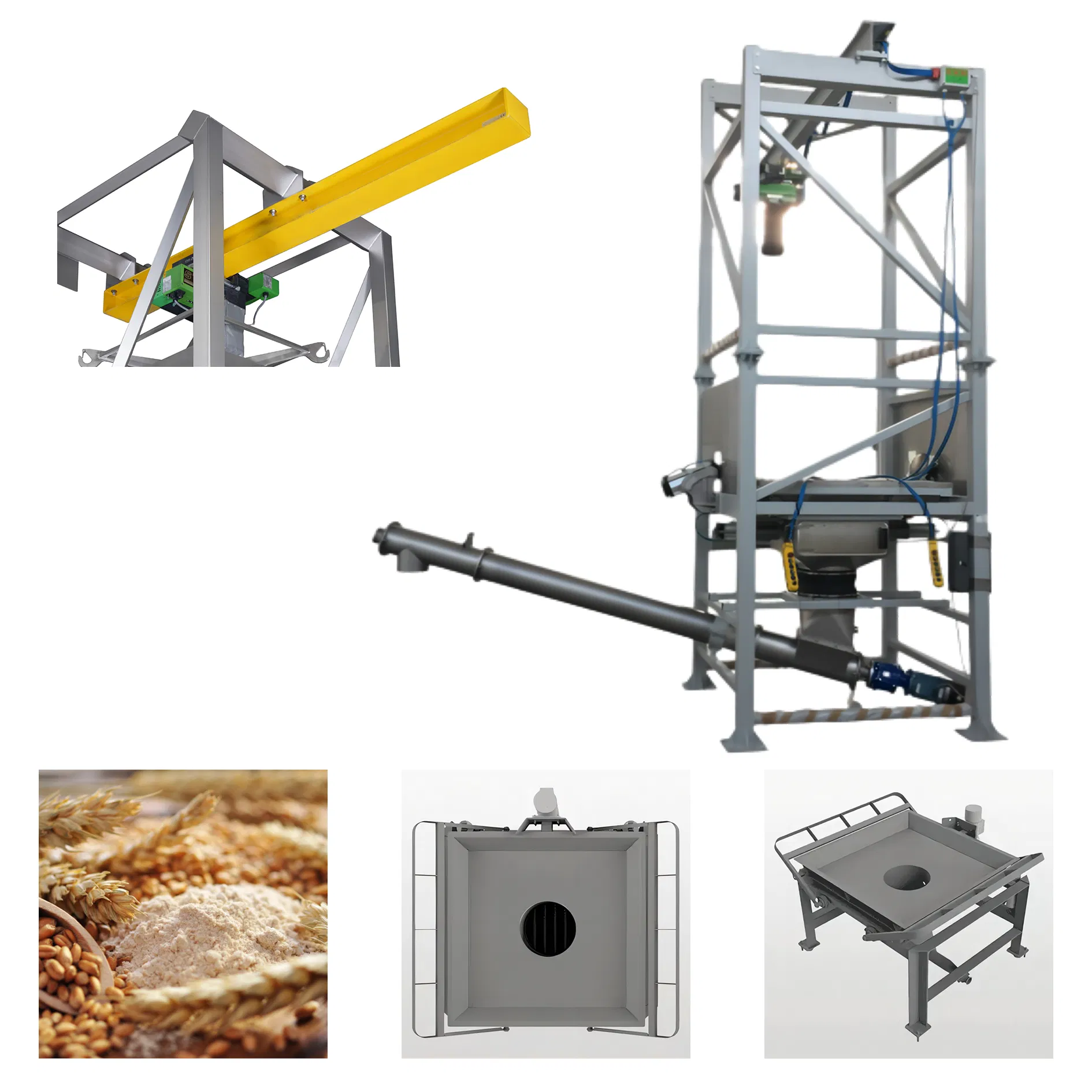
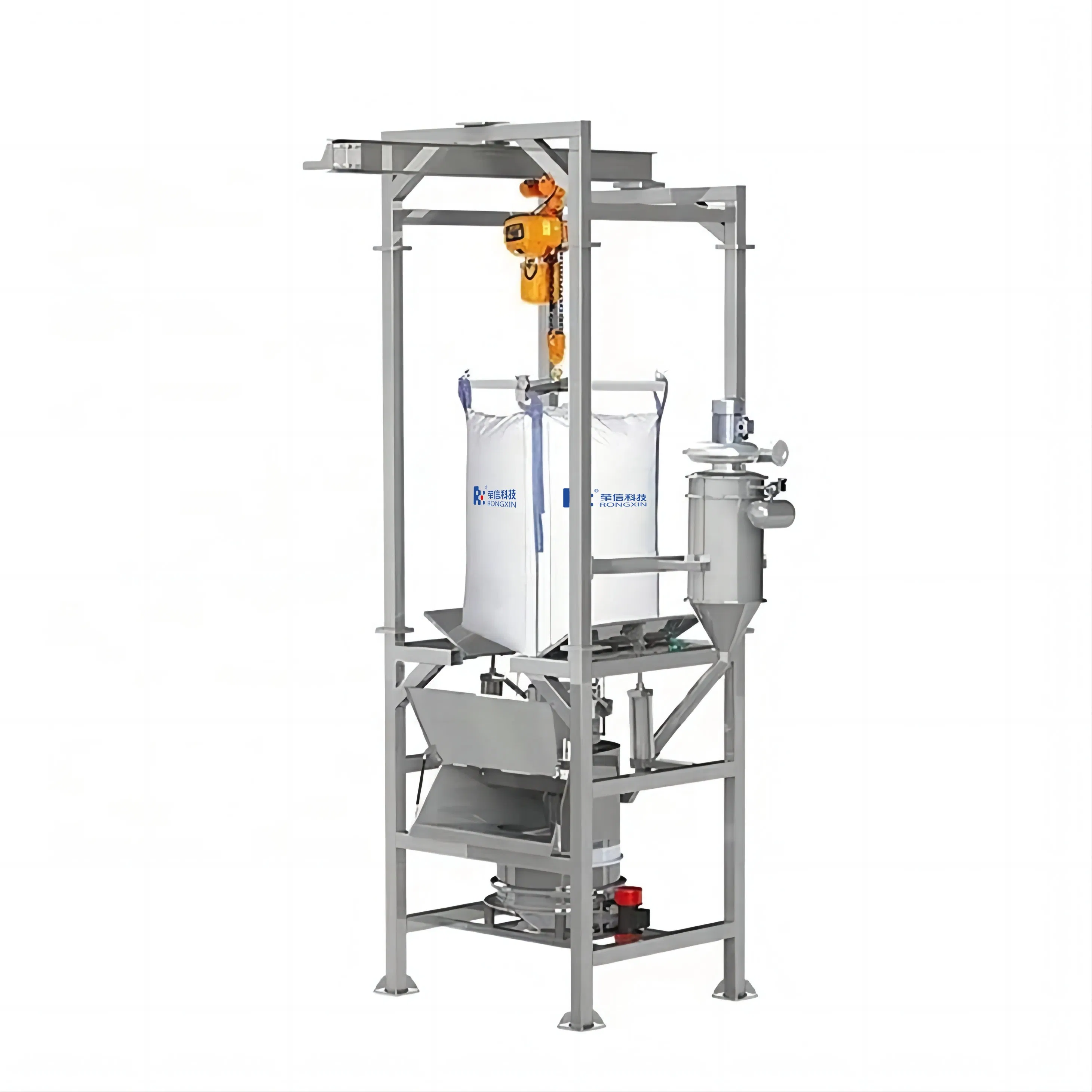
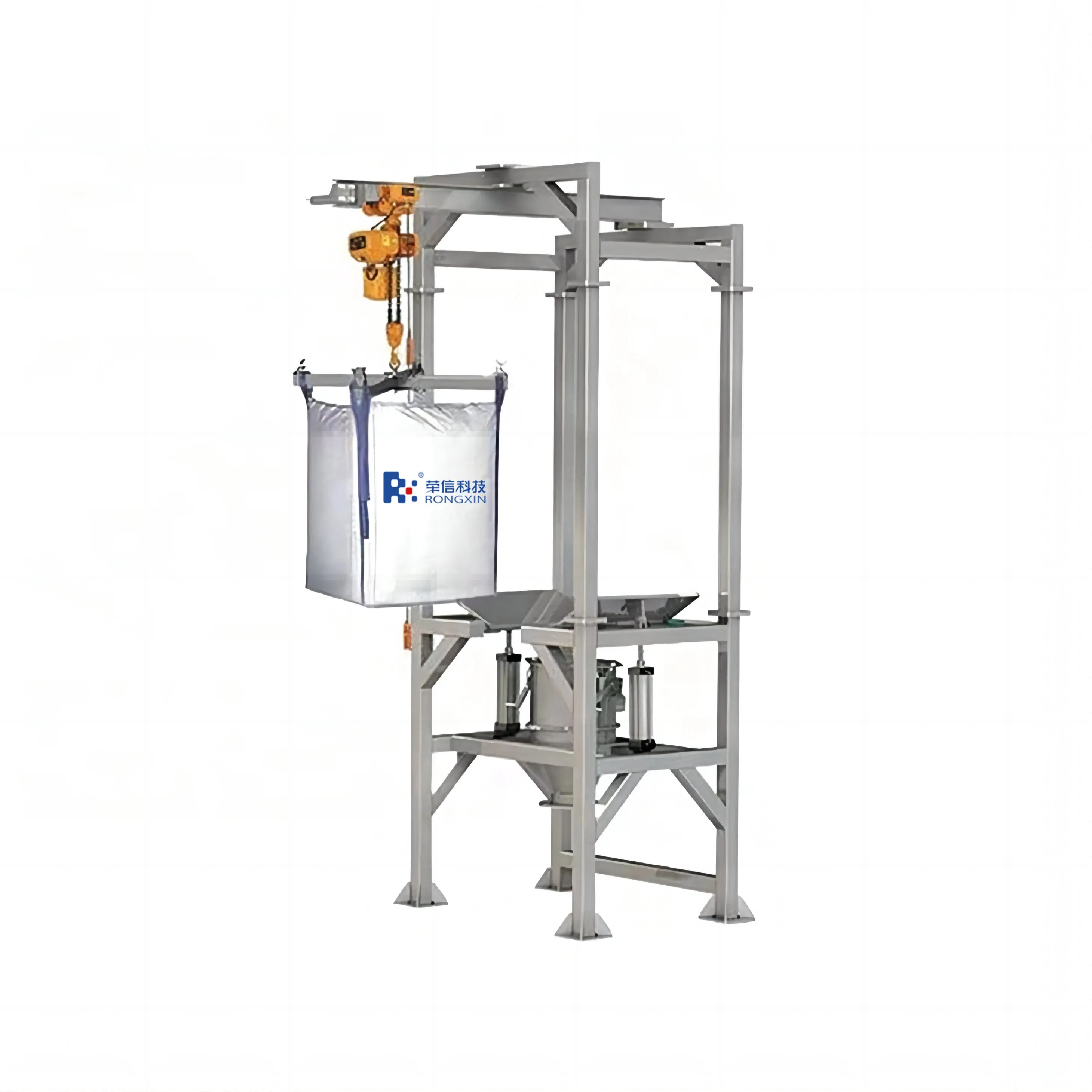
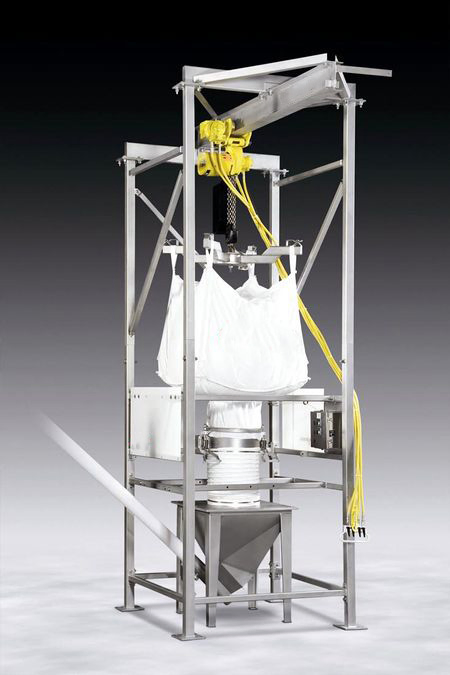
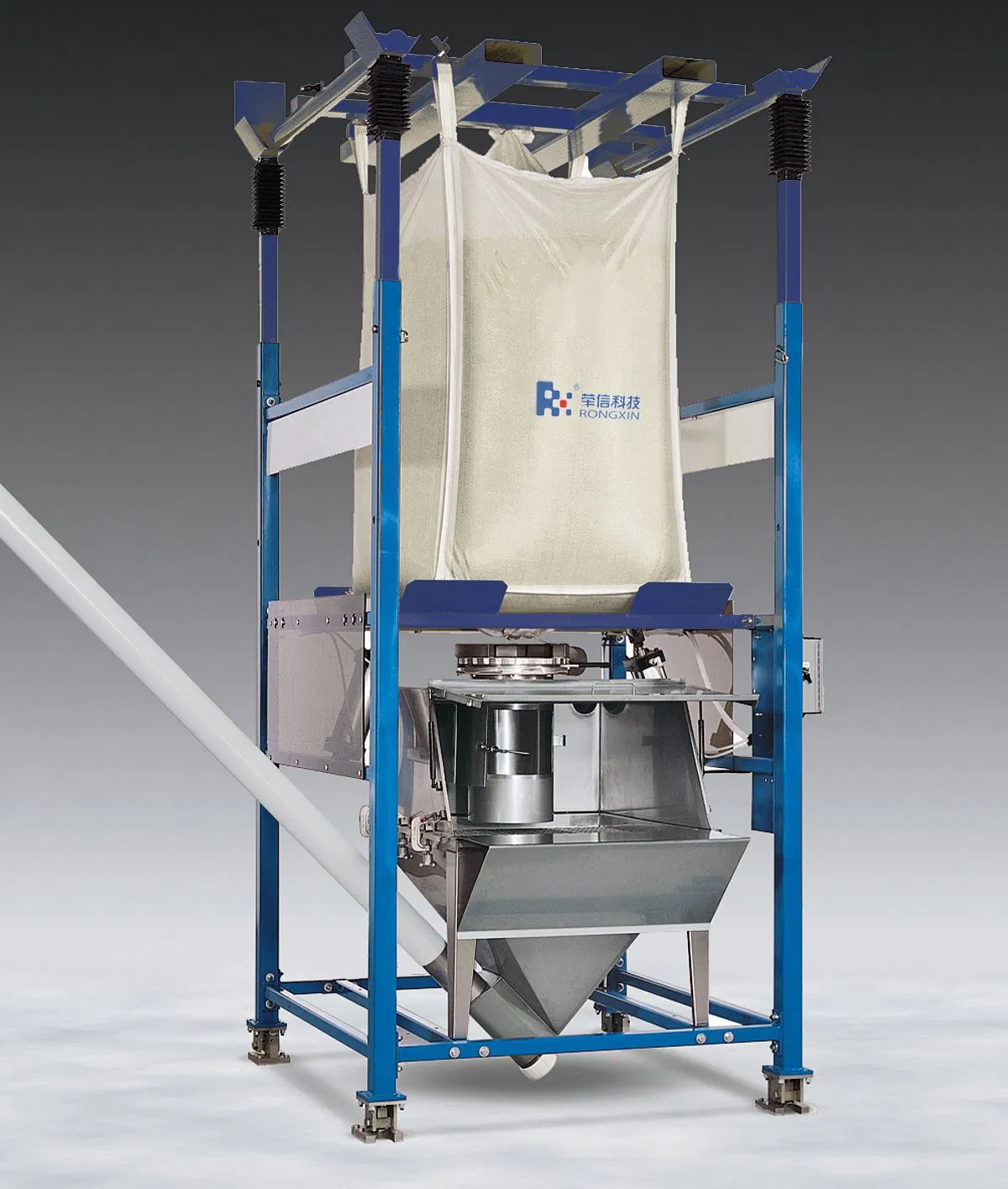
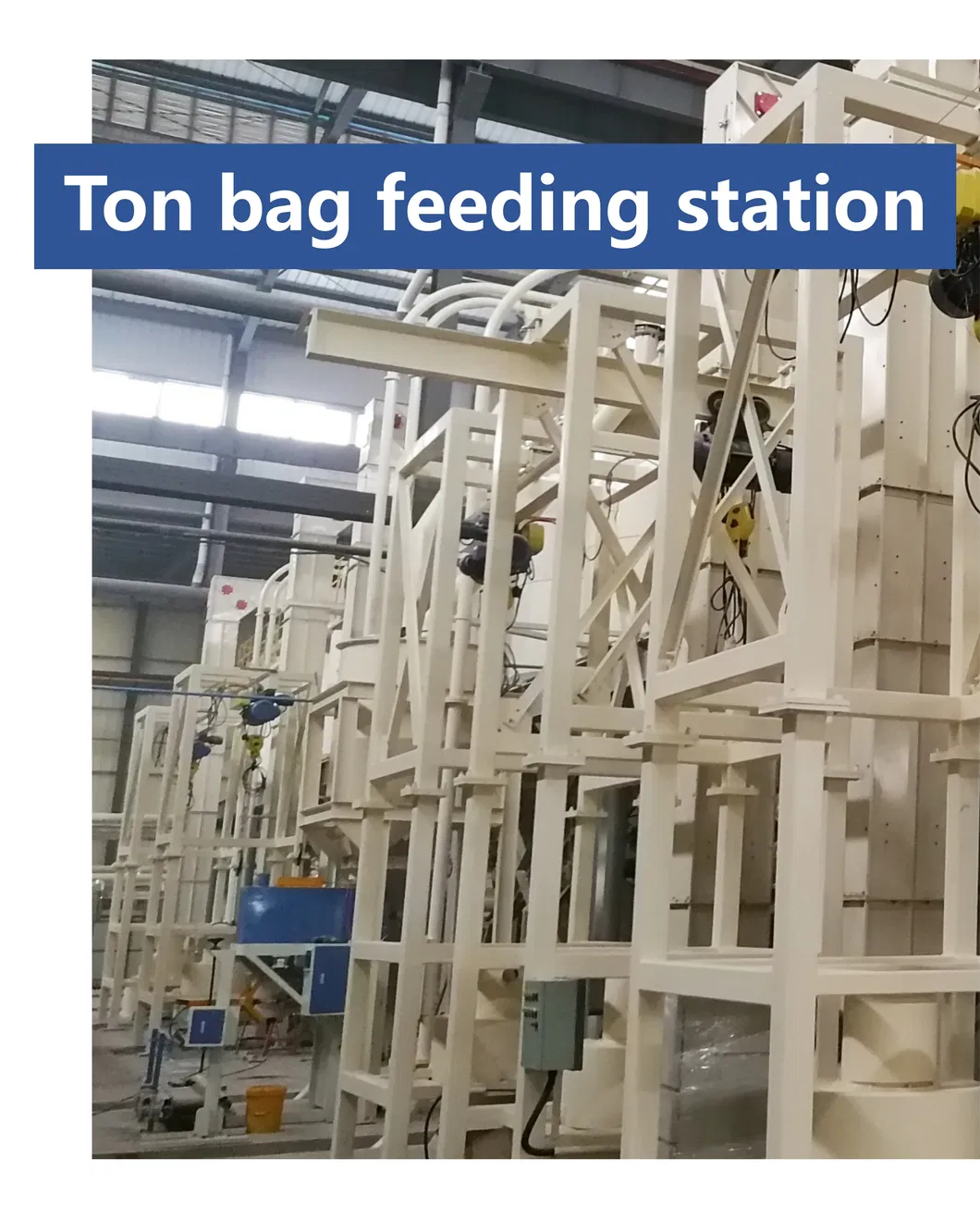
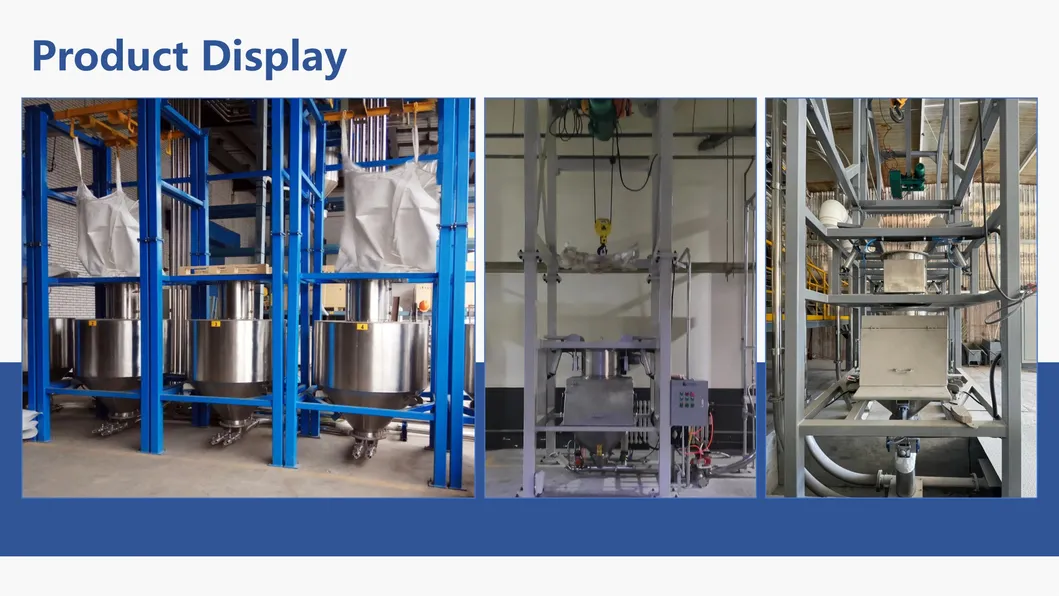
The Ton Bag Feeding Station boasts a sleek and intuitive design, paired with state-of-the-art automation features. This groundbreaking synergy dramatically enhances feeding efficiency while significantly reducing the labor-intensive tasks traditionally required of operators.
Moreover, it can be equipped with a sealed bag clamp for an airtight bag opening, effectively preventing any dust dispersion. For materials with poor flowability, additional vibration or tapping devices can be integrated to enable smooth and efficient unloading.
Unpacking methods include manual assistance for bag opening or automatic knife cutting, accommodating various types of ton bags. The high efficiency of this ton bag feeding station effectively addresses challenges such as clumping and discharge issues caused by moisture absorption during the bag opening process.


| Structural Unit | Specification | Material |
|---|---|---|
| Pounding Device | Pneumatic Control | Q235 / 304 / 316L Stainless Steel |
| Electric Hoist (Lifting Capacity) | 1T / 2T / 3T | |
| Temporary Storage Bin | 0.4m³ | |
| Hanging Bracket | 800-1200mm | |
| Dust Removal Device | 0.5-10μm | Filter Bag / Cartridge |
| Unpacking Method | Manual / Automatic | Q304 Stainless Steel |
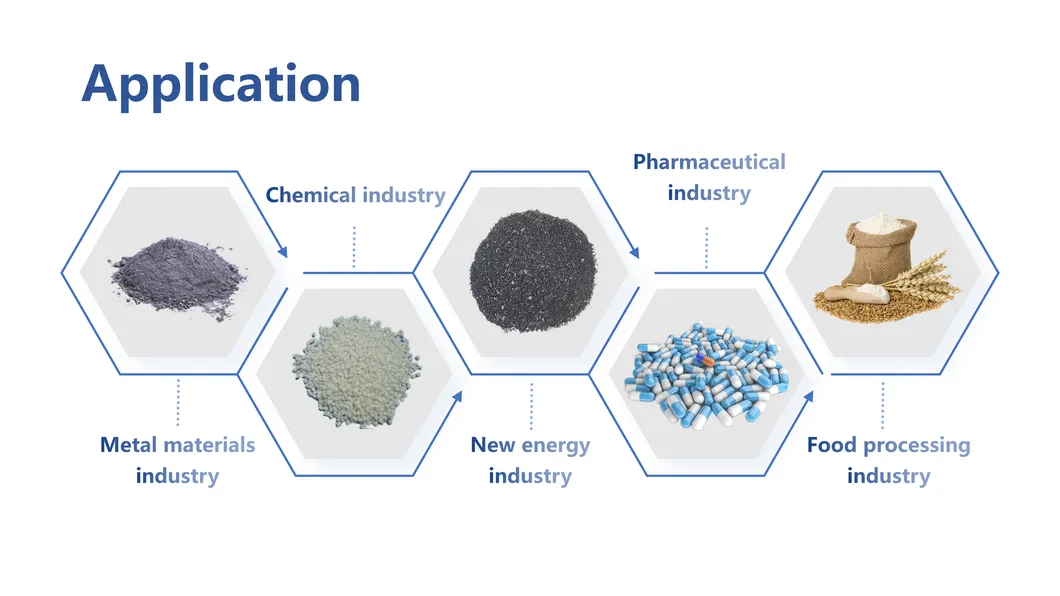
It is widely utilized for discharging and feeding dry bulk materials from large bags in various industries, including chemical processing, food, pharmaceuticals, and environmental engineering. It ensures dust-free handling and material recovery.
The system integrates an airtight sealed bag clamp with a highly efficient dust removal device filtering particles down to 0.5-10μm. This combination captures airborne particles immediately, creating a clean and safe workspace.
For cohesive or moisture-absorbing materials that tend to clump, the station can be equipped with pneumatic pounding, tapping, or vibration devices that physically stimulate the material flow to ensure complete discharge.
The system offers flexible configurations to meet your operational requirements, including manual operator access for untying bag spouts safely, or automated knife cutters for fast, mechanized bag opening.
Yes. The feeding station is highly modular and can be directly connected to glove boxes, processing hoppers, reactors, pneumatic conveyors, or tube chain systems for automated downstream material transfer.
Structural elements are typically fabricated from heavy-duty Q235 carbon steel, 304 stainless steel, or 316L stainless steel depending on sanitation, corrosion resistance, and specific industrial process requirements.