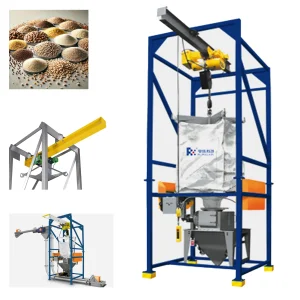
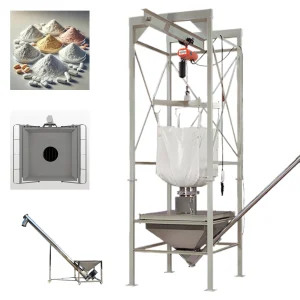
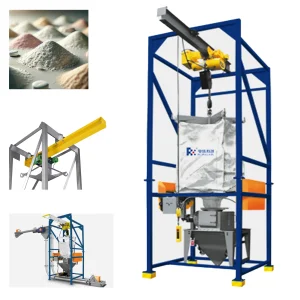
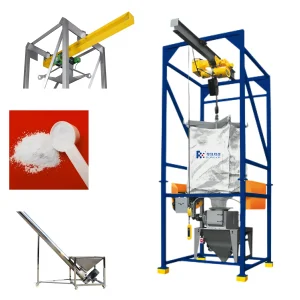
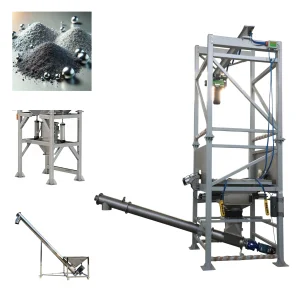
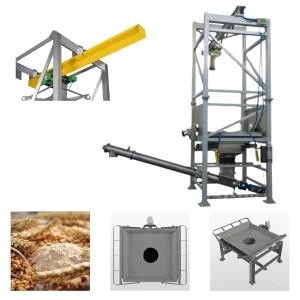
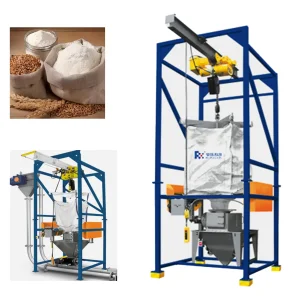
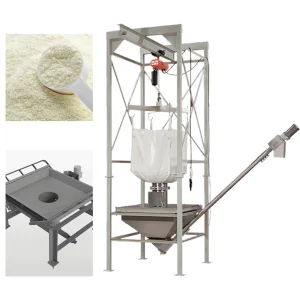
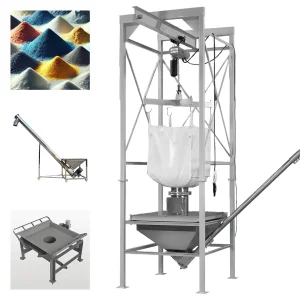
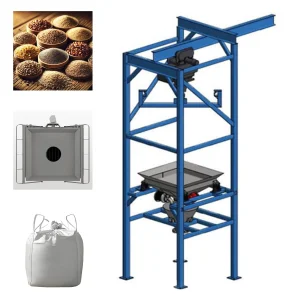
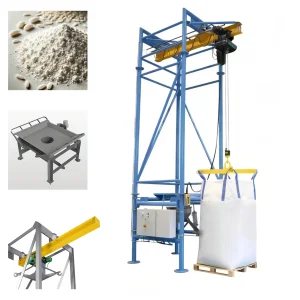
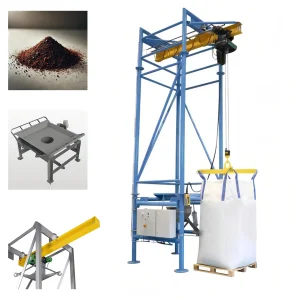
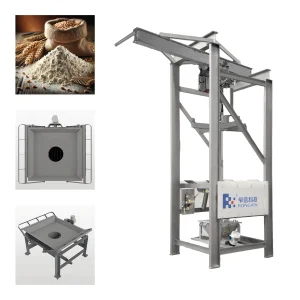
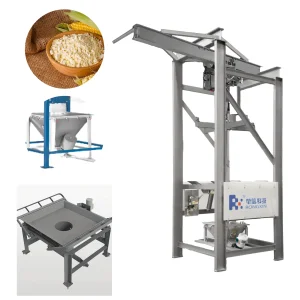
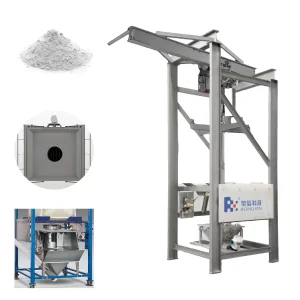
Highly engineered bulk bag unloading and sack discharging systems tailored for industrial automation lines in Istanbul, Izmir, and across Turkey.
An in-depth analysis of Turkey’s industrial evolution and the role of automated bulk feeding technologies in scaling production lines.
Positioned uniquely at the crossroads of Europe, the Middle East, and Central Asia, the Republic of Turkey has transformed into a dominant industrial powerhouse. Key sectors such as chemical formulation, construction materials, glass manufacturing, rubber processing, and agricultural food preparation are undergoing massive scale upgrades. Raw materials arrive in enormous quantities, specifically packaged in "Big Bags" or "Jumbo Bags" weighing between 500kg and 2,000kg. Transitioning these massive solids from incoming containers into the processing line requires highly specialized, large-capacity bulk feeding systems.
Historically, factories relied on manual or semi-automated bag slitting and mechanical conveyor feeding. However, today’s stringent occupational health and safety rules, combined with the rising costs of raw materials, have made clean, automated, and continuous processing non-negotiable. Modern manufacturing zones in Kocaeli, Bursa, Gaziantep, and Izmir are actively replacing legacy equipment with high-accuracy, loss-in-weight feeders and dust-controlled discharge stations to eliminate material waste and prevent respiratory hazards on the production floor.
SEO Insight & Safety Standard: Operating in Turkey's dry-mix cement, hazardous chemical, or starch processing fields requires strict adherence to European machinery guidelines (CE compliance) and ATEX directives for explosive dust environments. A high-quality bulk bag unloading system must integrate pressure differential sensors, micro-particle dust collectors, and pneumatic bridge-breaking technology to handle cohesive materials safely.
Bulk powders do not behave like liquids; they display unique physical properties including variable bulk density, shear sensitivity, cohesion, and moisture absorption. When discharging large volumes of non-free-flowing powders—such as titanium dioxide, hydrated lime, or cornstarch—plants regularly face flow obstructions like bridging (where the material forms an arch over the discharge outlet) and rat-holing (where only a central column of material flows out, leaving the sides stagnant).
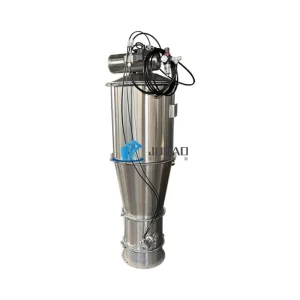
To combat these material characteristics, advanced Turkish suppliers and international partners integrate active agitation mechanisms. These include pneumatic massage paddles that squeeze the sides of the big bag, fluidization pads that introduce micro-pulses of compressed air, and vibratory discharge cones. Together, these systems guarantee a continuous, metered flow into downstream pneumatic conveying lines, vacuum receivers, or processing mixers.
Fully sealed glove-box style access hatches prevent airborne particulates from escaping into the environment, protecting operators and minimizing raw material loss.
Seamless communication protocols (Modbus, Profinet, EtherNet/IP) enable connection with SCADA factory networks for remote monitoring and batch control.
Load cells located beneath the support frame provide high-accuracy loss-in-weight telemetry to dose materials into downstream mixers precisely.
How Chengdu MXI Paws Co., Ltd. applies precision metering technology from consumer automation to heavy-duty industrial bulk powder solutions.
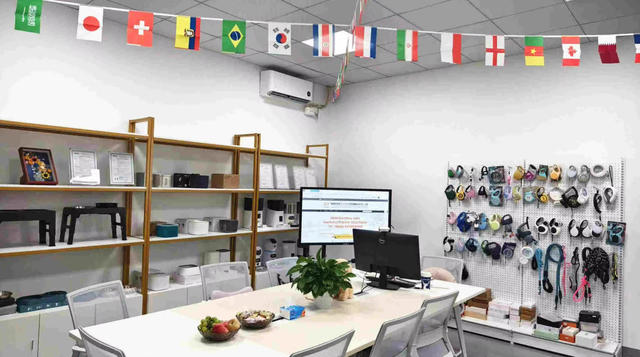
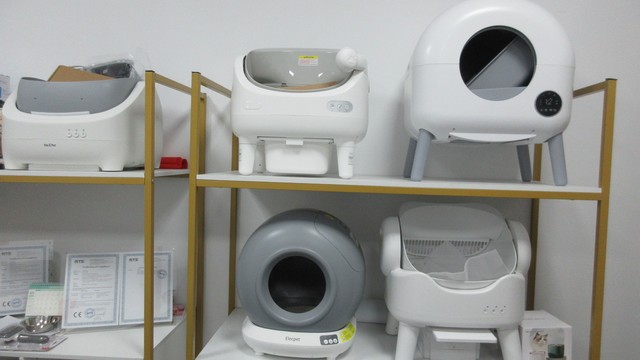
As an engineering pioneer, Chengdu MXI Paws Co., Ltd. operates at the convergence of consumer automation and heavy industrial powder processing. While recognized globally as a premium Intelligent Pet Feeding System Manufacturer, our industrial division designs high-capacity bulk material handling lines for commercial food processing, pet food manufacturing, chemical compounding, and agricultural packaging.
This cross-industry expertise allows us to port micro-dosing technologies, advanced anti-clogging algorithm logic, and cloud-connected IoT monitoring systems directly into our heavy-duty bulk bag unloading and pneumatic transfer systems. Our engineering teams design bulk systems that not only move metric tons of raw materials per hour but also feature the delicate precision, app-controlled connectivity, and strict sanitary certifications (SS304/SS316 food-grade mirror-polished surfaces) required by the world's most demanding pet food and agricultural processing facilities.
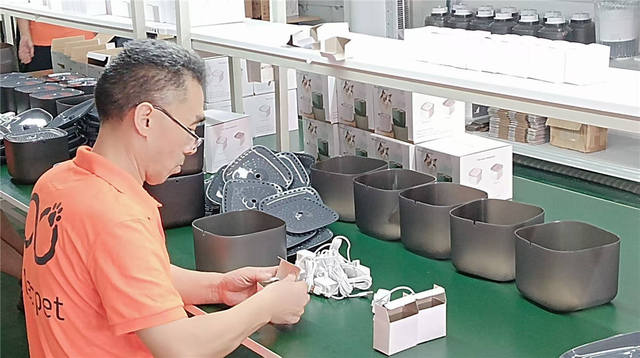
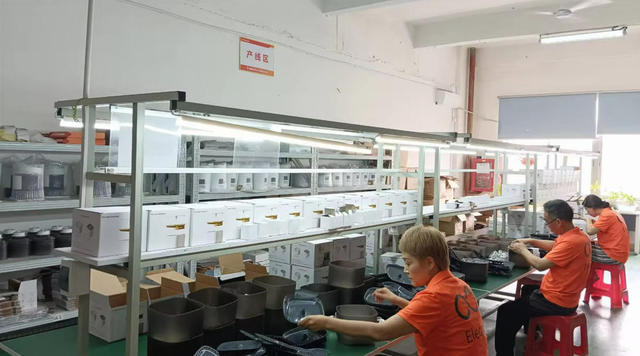
Equipped with advanced manufacturing facilities, state-of-the-art automated laser cutting lines, orbital welding robots, and strict quality management systems, Chengdu MXI Paws Co., Ltd. delivers heavy bulk handling machinery that complies with international ISO, CE, and FDA regulations. We offer global buyers comprehensive OEM and ODM support, providing structural customizations, custom electrical design, PLC programming, and integrated dust management layouts tailored specifically to your plant's configuration.
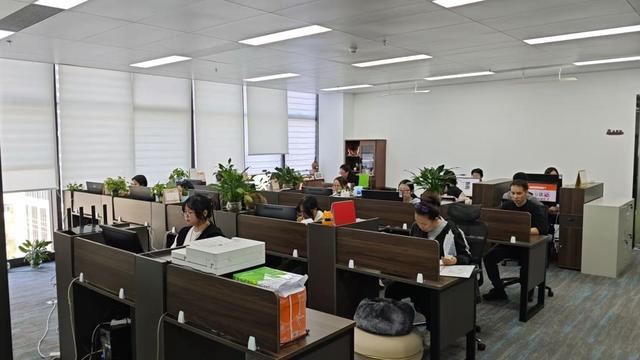
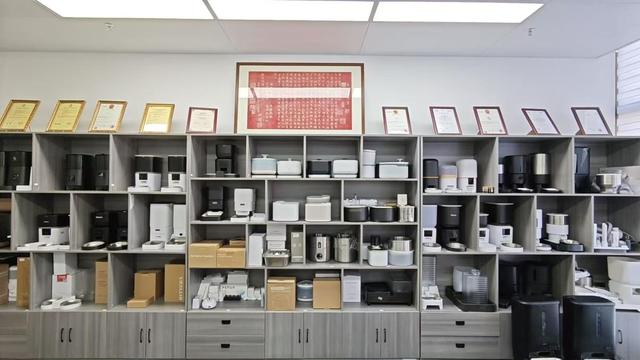
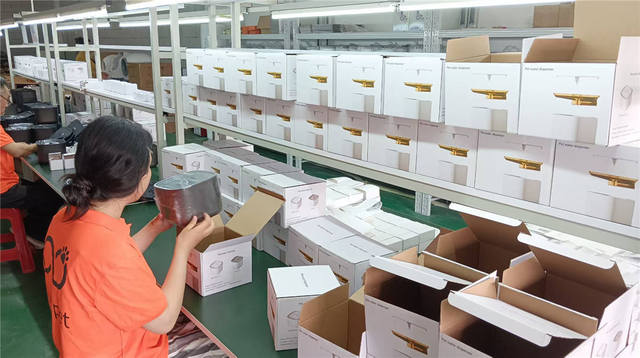
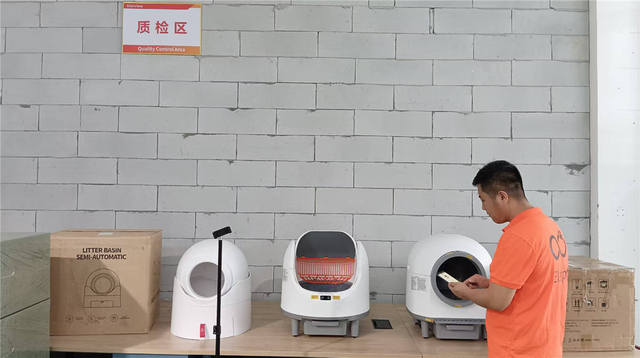
Explore our complete range of dust-free feeding systems, powder handling equipment, and PLC-controlled systems.
Depending on the industrial zone in Turkey, bulk materials vary widely in weight, granularity, and reactivity. In the Gaziantep Agri-Food Zone, for example, bulk bag unloaders primarily handle starch, powdered sugar, flour, and baking additives. These applications demand strict food safety standards, meaning all contact surfaces must be crafted from high-polished SS304 or SS316 stainless steel with USDA-compliant gaskets. In contrast, the Kocaeli Petrochemical Zone processes polymer pellets, carbon black, and plasticizers, requiring robust explosion prevention systems and dense-phase pneumatic conveying to move materials over long distances without causing structural degradation.
Furthermore, regions around Eskişehir and Kütahya are world-renowned for their ceramic and glass factories. These plants handle abrasive raw minerals like silica sand, feldspar, and clay. Standard gravity dischargers wear out quickly under these conditions. Our custom bulk bag feeding systems are engineered with wear-resistant liners (such as high-density polyurethane or hardened tool steel impact plates) to withstand this constant abrasive action, extending the operational life of the machinery.
The global bulk solids industry is transitioning rapidly toward digital twins and predictive maintenance. With the incorporation of vibratory and temperature sensors onto critical motors and discharge valves, PLC controls can flag mechanical fatigue before an unexpected breakdown halts the production line. Modern systems also leverage self-adjusting loss-in-weight control algorithms. By analyzing material flow rates in real-time, the system automatically tweaks the feed rate to ensure consistent batching accuracy, even as raw powder batches vary in bulk density.
Critical engineering answers regarding the installation, automation, and validation of high-capacity bulk solids feeding systems in Turkey.
Partner with a leading global engineering manufacturer. Whether you are expanding a chemical plant in Izmit or a food production line in Izmir, our technical sales engineers are ready to customize the perfect high-capacity feeding solution for your facility.
Get a Tailored Technical Quote MXI Paws